The International Media and Information Literacy Institute (IMILI), Nigeria, has marked the 2026 Global Media and Information Literacy (MIL) Week with a call on young people to embrace critical thinking, verify information before sharing it and use digital platforms responsibly.
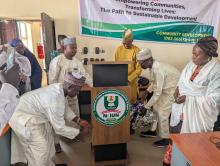
The event, held on Wednesday, October 28, 2026, at the headquarters of the National Open University of Nigeria (NOUN), Jabi, Abuja, had the theme, “We All Play a Part.”
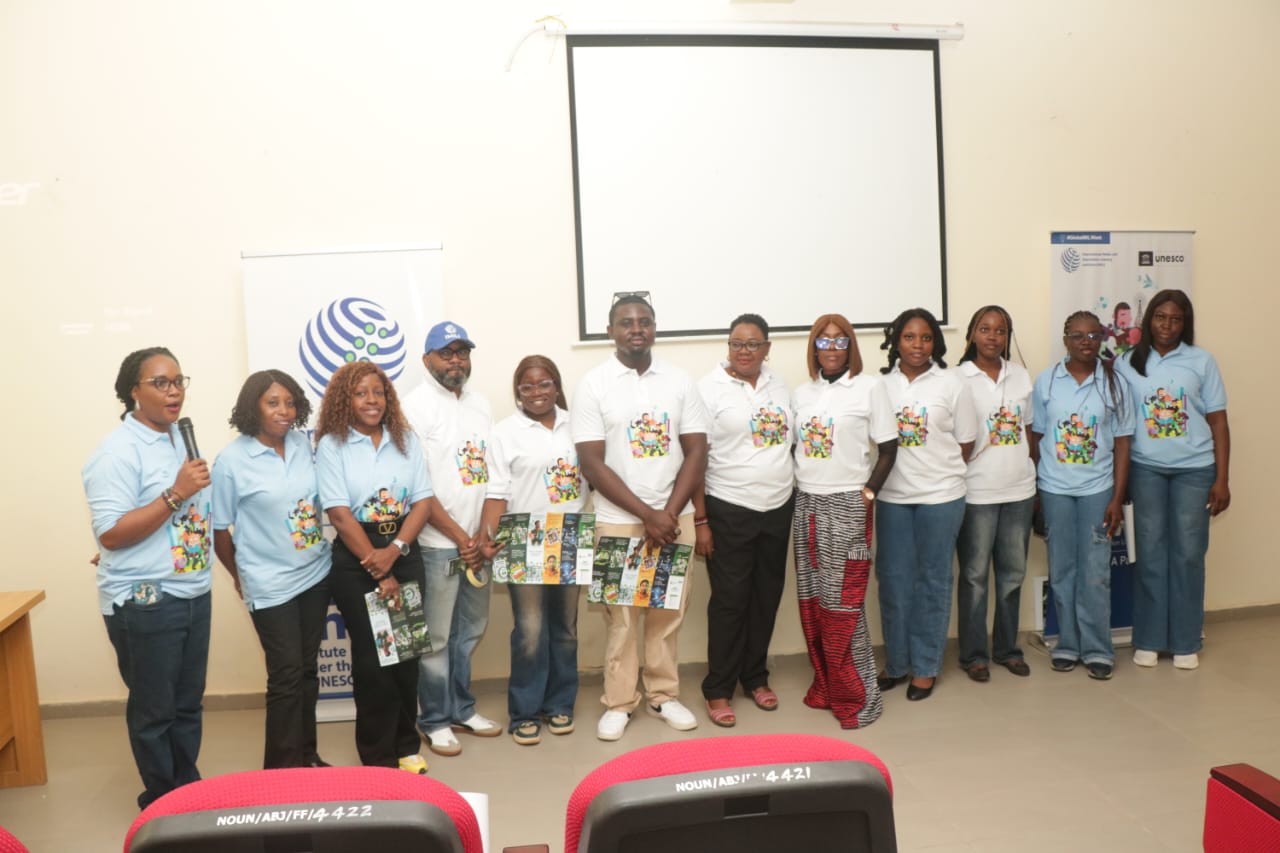
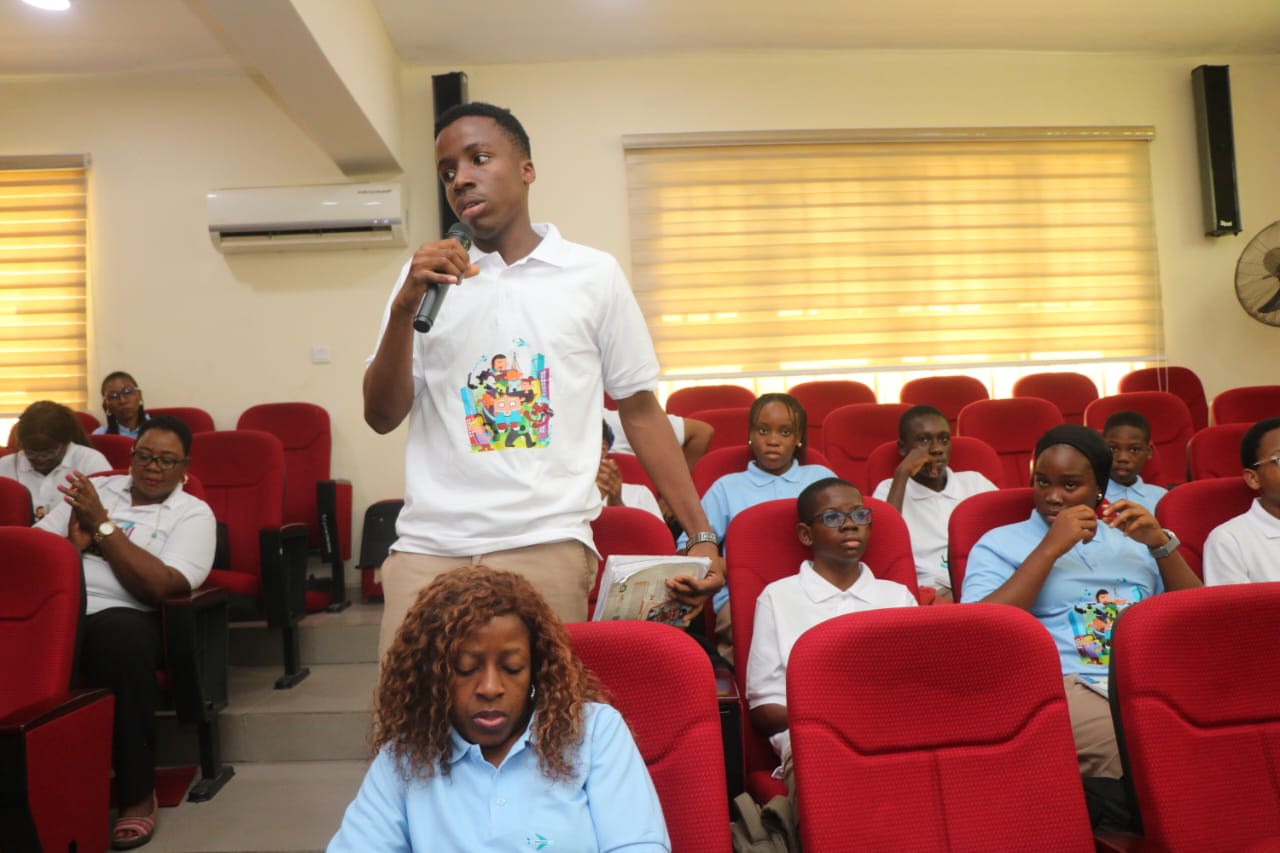
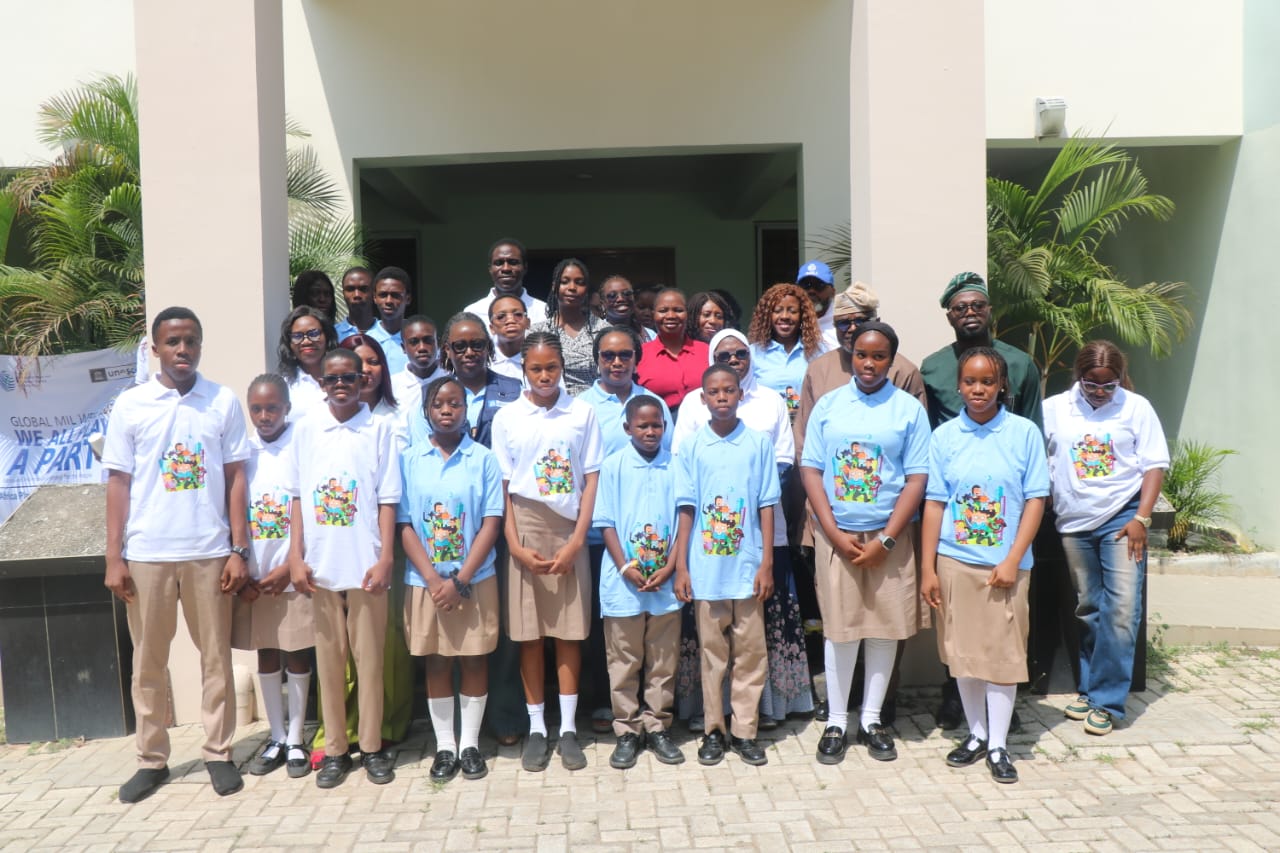
It featured students from PEM International Academy, Lugbe, Abuja, who participated in discussions and practical sessions on media literacy, digital safety, artificial intelligence (AI) and responsible online behaviour.
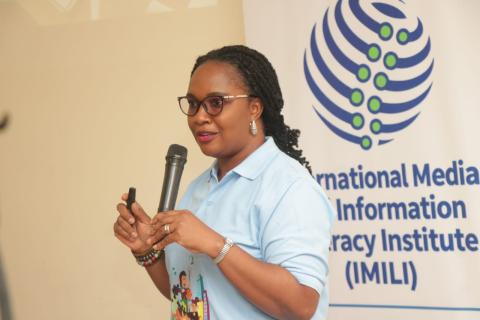
Speaking at the event, the Director of IMILI, Dr. Sharon Omotosho, appreciated the students for their participation and encouraged them to make the most of the knowledge gained.
In her presentation, titled “In Conversation with Students in the Digital Age,” Omotosho explained the importance of media and information literacy, urging the students to move beyond consuming digital content to creating solutions that address societal problems.
She said the purpose of MIL Week was to promote the ability to access, analyse, evaluate and create media content responsibly, while encouraging people to reflect before acting or sharing information online.
Omotosho noted that the abundance of information on social media had made it increasingly difficult for young people to distinguish credible content from misleading or harmful material.
She therefore urged the students to make positive contributions to digital spaces, stressing that not every piece of information should be shared, particularly when doing so could compromise privacy or spread falsehoods.
According to her, media and information literacy equips individuals to identify falsehoods, verify sources, understand artificial intelligence, combat hate speech and misinformation, make informed decisions and contribute to safer online spaces and better communities.
“We must not remain consumers; we must become creators who solve problems,” she said.
The director also encouraged the students to develop useful and responsible digital applications, warning that internet users must remain vigilant about the risks of personal information being stolen or misused online.
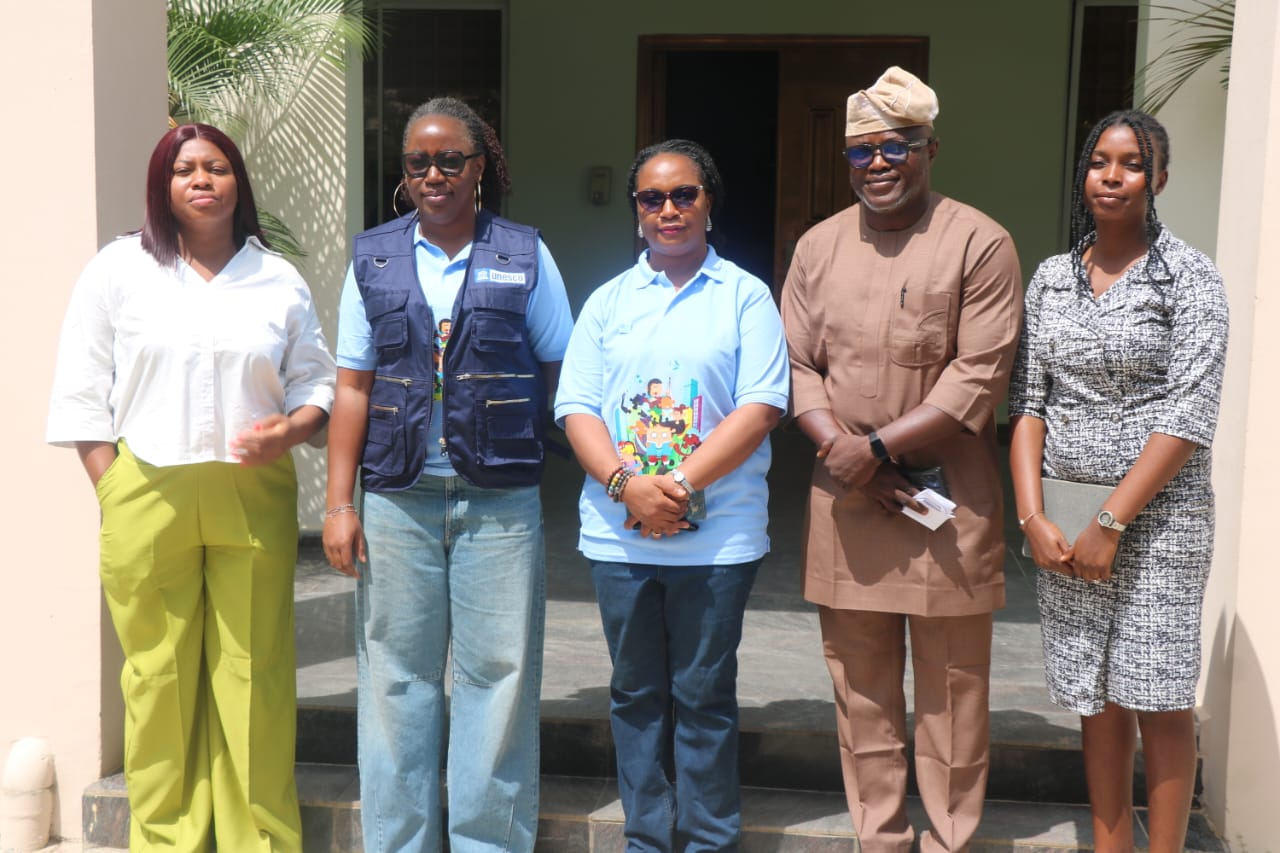
Earlier, Ms. Yachat Nuhu of the United Nations Educational, Scientific and Cultural Organisation (UNESCO), highlighted the importance of educating children about misinformation and online dangers.
She encouraged parents to explore Young Truth Detectives (YTD), a media and information literacy workbook developed and unveiled by UNESCO and its partners in Abuja to help children aged six to 10 identify misinformation and recognise online risks.
Nuhu also emphasised the need for ethical use of artificial intelligence, urging young people to be mindful of their digital footprints and the long-term consequences of their online activities.
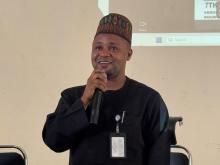
Representing the Head of the Department of Mass Communication at the university, Amb. Brinkins, Dr. Tosin Adesile commended the IMILI Director for organising the programme.
He described Media and Information Literacy Week as an important initiative for strengthening people's ability to access, analyse, evaluate and use information responsibly in an increasingly digital world.
Adesile observed that the rapid growth of social media, online news platforms, radio, television and artificial intelligence had made information more accessible than ever, but warned that access did not necessarily guarantee truth.
“The ability to distinguish facts from falsehoods has therefore become an essential skill for every citizen,” he said.
He added that media and information literacy empowers people to question what they read, verify what they share, recognise misinformation and disinformation, and make informed decisions.
In the age of artificial intelligence.
“We must therefore choose accuracy over speed, facts over rumours, and responsible communication over sensationalism,” he said.
In a presentation titled “Maximising Digital Opportunities: 21st-Century Skills You Can Learn Through Wikimedia,” Amb. Olaniyan Olusola urged the students to develop practical digital skills beyond the classroom through learning, content creation, verification, collaboration and innovation.
“Don't just consume digital information. Build the skills to contribute to it,” he advised.
He identified eight essential skills for young people to practise beyond the classroom: research literacy, AI literacy, data literacy, copyright literacy, critical thinking, content creation, collaboration and digital portfolio development.
Explaining the role of Wikipedia, Olusola said the platform was an encyclopaedia rather than a search engine, noting that it helps document and disseminate knowledge in more than 100 languages.
He warned that misinformation and disinformation were not limited to English-language content and stressed the importance of citing sources correctly and fact-checking information before using or sharing it.
Similarly, the Founder of Media and Information Literacy Among Young Professionals (MILAP), Mrs. Toluwani Olujobi, highlighted the enduring relevance of libraries in promoting media literacy, critical thinking and informed decision-making in the age of artificial intelligence.
In her presentation, titled “Enduring Relevance of Libraries to Media and Information Literacy,” she examined the importance of cognitive scaffolding, empirical evidence and critical thinking in helping learners navigate an increasingly complex information environment.
Olujobi said libraries should be viewed as more than reading rooms, describing them as research and discovery hubs, digital skills and information literacy centres, spaces for collaboration and creativity, gateways to culture and local history, and platforms for lifelong learning.
She noted that libraries also provide opportunities for people to learn and access knowledge regardless of their financial circumstances.
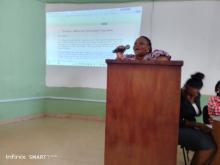
Also speaking, the Co-founder and Executive Director of the MILID Foundation, Ms. Chiamaka Onumah, presented a session titled “Young Truth Detectives (YTD): Building Early Digital Resilience.”
She explained that the initiative seeks to build children's digital resilience through media and information literacy, critical thinking and responsible digital behaviour.
Onumah clarified that YTD was not intended to replace cybersecurity education but to provide an age-appropriate foundation for developing digital safety and cybersecurity awareness.
The programme ended with the students breaking into senior and junior groups to discuss practical measures they could implement in their schools based on the lessons learned
The exercise provided an opportunity for the participants to translate the knowledge acquired during the event into practical initiatives to promote media literacy, critical thinking, and responsible digital engagement among their peers.
- Log in to post comments
- 3 views