The Centre of Excellence in Migration and Global Studies (CEM&GS) of the National Open University of Nigeria (NOUN) has called for stronger migration policies, improved access to reliable migration data and enhanced collaboration between researchers and policymakers to address emerging migration challenges.
The call was contained in a communiqué issued at the end of a one-day workshop organised by the Centre, with support from the Tertiary Education Trust Fund (TETFund), at the University's National Conference Hall, Jabi, Abuja.
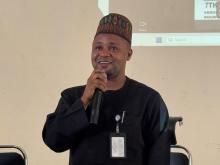
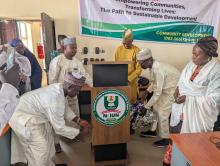
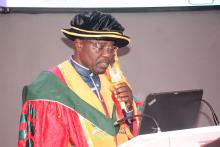
The workshop, themed "Migration, Development and Human Security: Emerging Academic Perspectives," brought together representatives of government agencies, academic institutions, civil society organisations and international development partners to examine the impact of migration on individuals, communities and national development.
The communiqué emphasised that migration should not be viewed solely as a security concern but also as a development process with significant benefits, including remittances, skills transfer, knowledge sharing and international cooperation.
However, it identified xenophobia, human trafficking, exploitation, displacement and discrimination as major threats to the safety, rights and dignity of migrants.
On Nigeria's growing "Japa" phenomenon, participants observed that the increasing desire among young Nigerians to relocate abroad reflects concerns about economic opportunities, living conditions and the quest for a better future.
They stressed the need to create an enabling environment where Nigerians could freely choose whether to remain in the country or migrate, while ensuring that those who return are treated with dignity and given opportunities to contribute meaningfully to national development.
The workshop also urged African countries to promote tolerance, regional solidarity and respect for migrants' rights, noting that the ideals of African unity and regional integration would remain difficult to achieve without addressing discrimination and hostility against fellow Africans.
Another major concern highlighted was the disconnect between academic research and government policymaking.
Participants identified inadequate research funding, limited access to reliable migration data and a shortage of specialised researchers as significant obstacles to effective migration studies and policy development.
To bridge this gap, the communiqué recommended establishing a national framework for sharing migration data among universities and relevant government agencies.
It also advocated stronger partnerships among academic institutions, government agencies, civil society organisations and international development partners to ensure that research findings inform policy decisions.
Participants further emphasised the importance of incorporating the lived experiences of migrants, returnees and internally displaced persons (IDPs) into research and policy formulation.
They noted that statistical data alone could not adequately explain the factors driving migration or capture the realities and challenges faced by affected populations.
The communiqué also called for more comprehensive migration research through mixed-method approaches, stronger collaboration among university-based migration centres and regular evaluations of government migration programmes.
It urged researchers and policymakers to pay greater attention to the growing influence of climate change, environmental degradation, conflicts and internal displacement on migration patterns in Nigeria.
The communiqué concluded that migration, development and human security are interconnected issues requiring coordinated responses from governments, academic institutions and other stakeholders.
It reaffirmed the importance of university-based research centres in generating evidence-based knowledge to support effective policymaking, promote sustainable development and safeguard human dignity.
- Log in to post comments
- 105 views