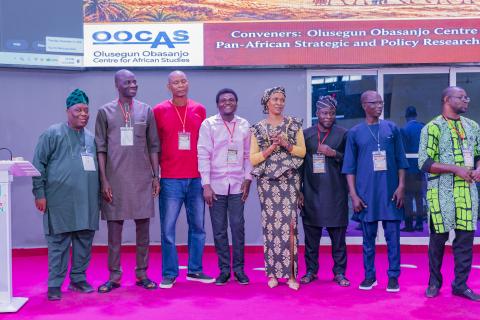
The Olusegun Obasanjo Centre for African Studies (OOCAS), in collaboration with the Pan-African Strategic and Policy Research Group (PANAFSTRAG), has held its maiden conference, calling for a renewed effort to reclaim Africa’s historical heritage and reposition the continent's contributions to global civilisation.
The two-day conference, held both in person and virtually from Thursday, November 12 to Friday, November 13, 2026, took place at the National Open University of Nigeria (NOUN) headquarters in Jabi, Abuja.
The conference, themed “Reclaiming Africa’s Past, Reframing Global History: Our Story of Africana Civilization,” brought together scholars and researchers from Nigeria and beyond to examine Africa’s historical experiences, indigenous knowledge systems and contributions to global development.
Declaring the conference open on behalf of the Vice-Chancellor, the Deputy Vice-Chancellor, Technology, Innovation and Research (TIR), Prof. Christine I. Ofulue, described the event as a significant milestone in the university's commitment to intellectual liberation and the restoration of Africa's rightful place in global historical narratives.
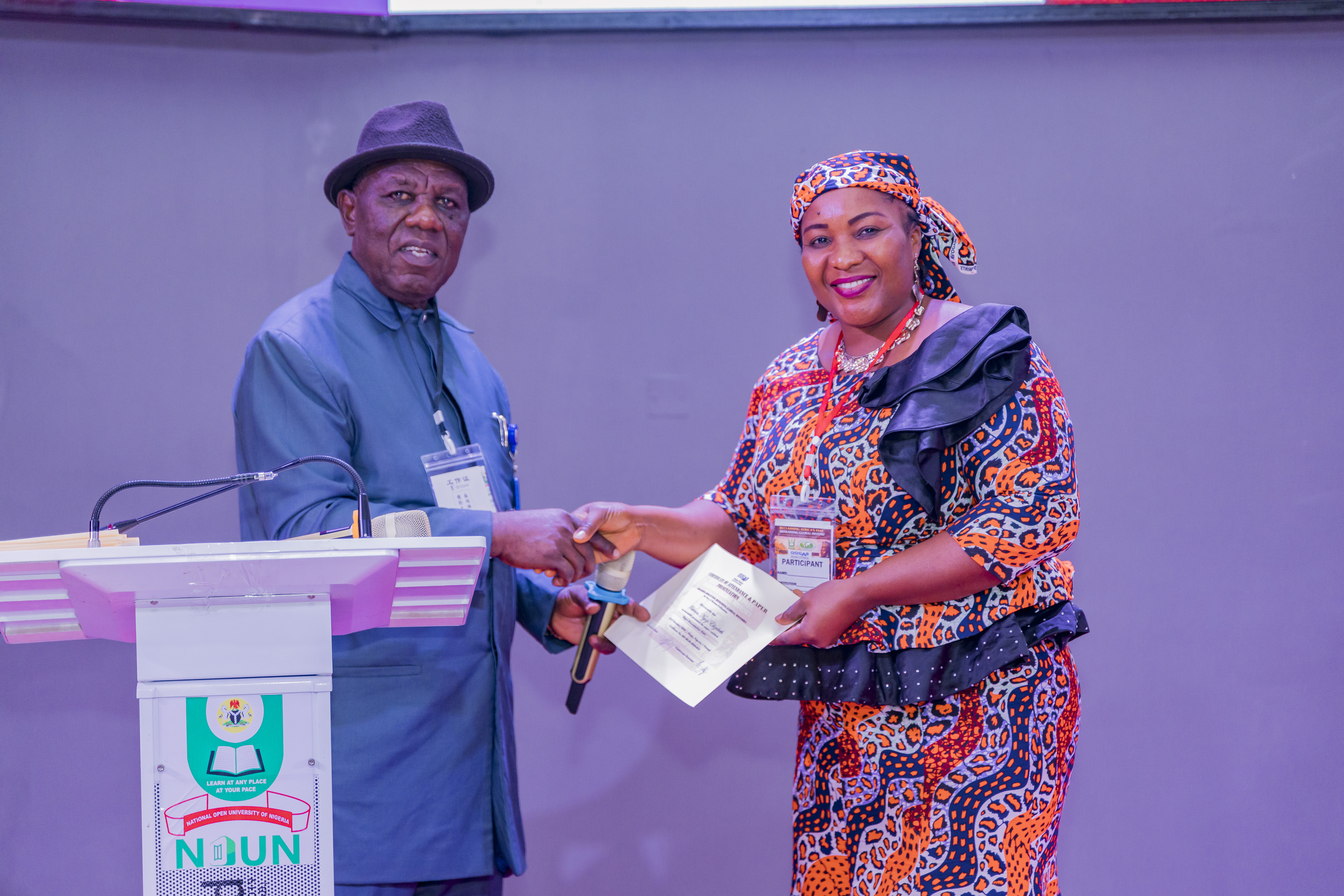
She noted that African societies had developed sophisticated systems of governance, trade, diplomacy, science and cultural production long before sustained European contact, but that many of these achievements had been marginalised, distorted or excluded from dominant historical accounts.
Prof. Ofulue also highlighted the strategic importance of OOCAS within NOUN, describing the centre as an institutional platform for research, intellectual leadership and policy-relevant scholarship on Africa and the African diaspora.
She outlined the centre's aspirations, which include producing internationally relevant research, training the next generation of African Studies scholars, developing digital archives and repositories, strengthening international academic collaborations and generating knowledge to support cultural heritage preservation, education and sustainable development.
Earlier, in his welcome address, the Director of OOCAS, Prof. Wilfred Ugwuanyi, described the conference theme as both a scholarly proposition and a moral imperative.
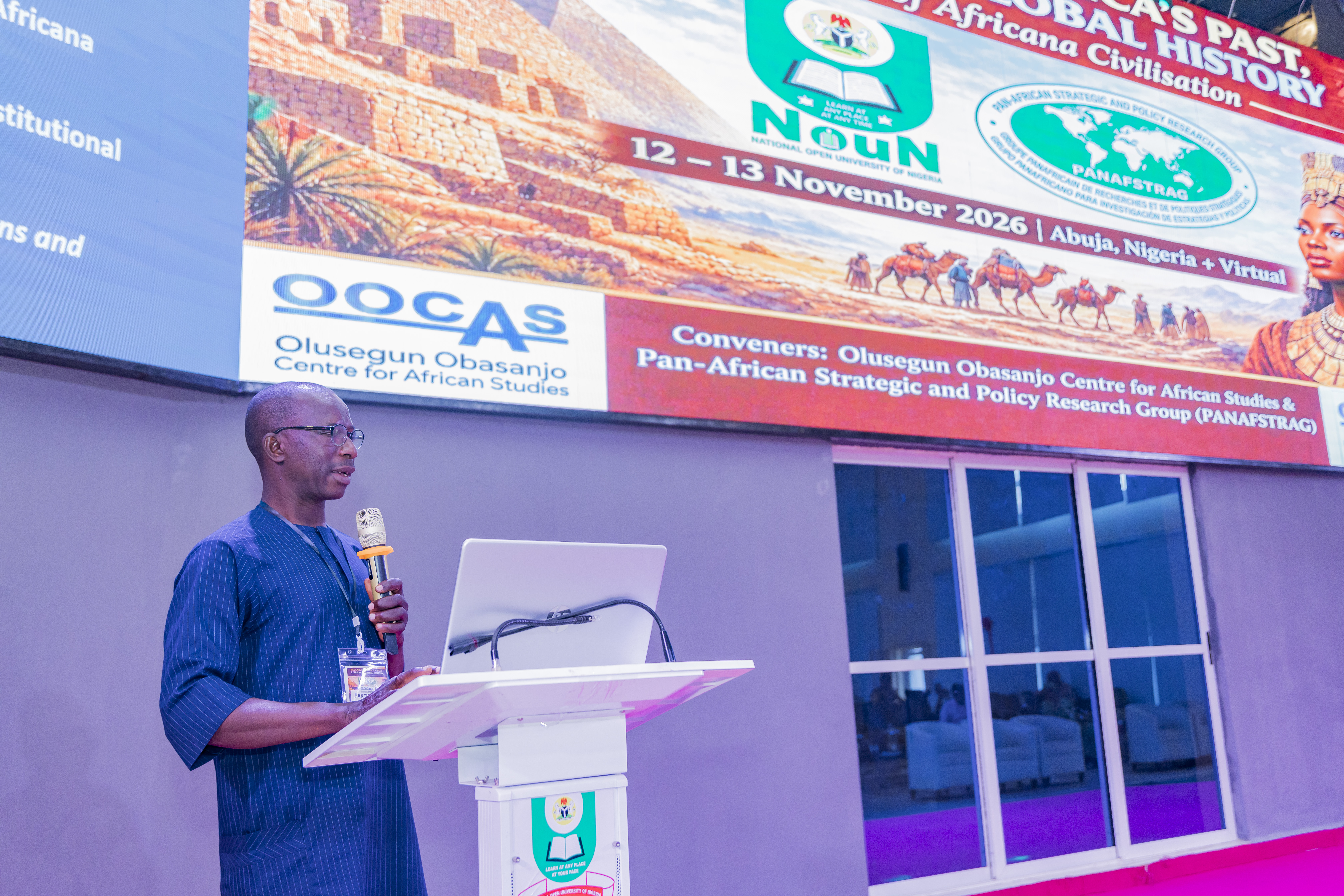
He observed that Africa's history had, for too long, been interpreted through Eurocentric perspectives that minimised the continent's contributions to global intellectual, economic and political development.
“Our ancestors built empires and kingdoms — Kemet, Nubia, Axum, Ghana, Mali, Songhai, Benin, Oyo, Kongo, Ethiopia, Kanem-Borno and Great Zimbabwe — with sophisticated systems of governance, trade, diplomacy, science, spirituality and cultural production. They did so long before sustained European contact. Yet, these achievements were often dismissed, distorted or erased from the record,” he said.
Prof. Ugwuanyi explained that the conference was structured around seven thematic sub-themes designed to examine the breadth and depth of African civilisations, from their prehistoric foundations to the late nineteenth century.
The sub-themes covered decolonising knowledge and reclaiming African epistemic authority; indigenous knowledge systems, oral traditions and historical consciousness; gender, power dynamics and the reclamation of African women's historical agency; indigenous approaches to conflict resolution and peacebuilding; environmental adaptation, indigenous technology and heritage preservation; education, digital intelligence and knowledge production for Africa's global competitiveness; and historical narratives, migration and the politics of knowledge production.
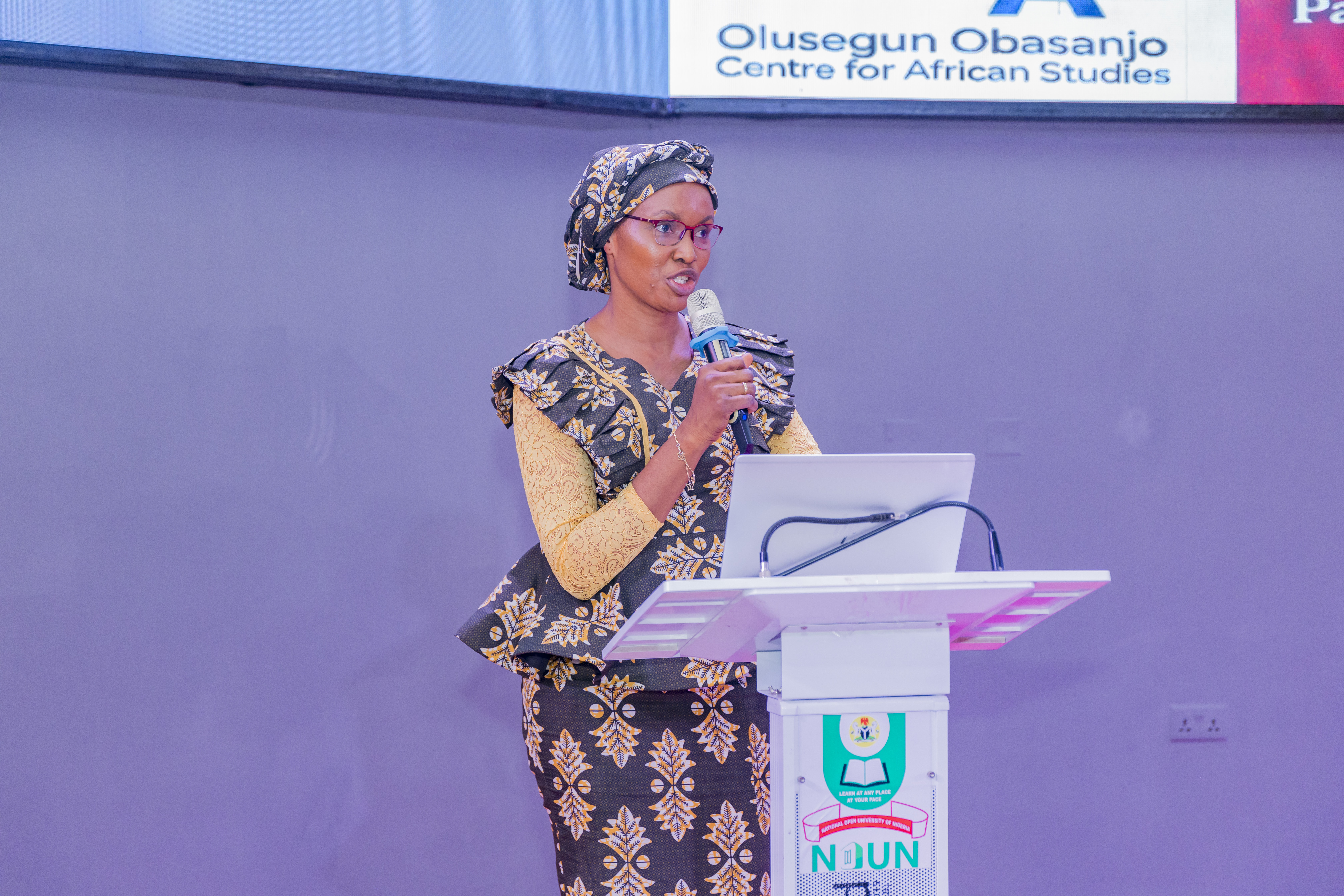
He said the papers presented represented significant scholarship from across Nigeria and beyond, addressing critical issues relating to African history, knowledge production, cultural heritage and contemporary development.
The OOCAS Director expressed satisfaction with the interdisciplinary character of the conference, noting that historians, archaeologists, anthropologists, linguists, sociologists, educationists and communication scholars were represented.
“This is exactly the kind of cross-pollination of ideas that the Olusegun Obasanjo Centre for African Studies was established to promote,” he said.
In his goodwill message, Prof. Mohammed J. Kuna, who represented PANAFSTRAG, emphasised the need to develop new intellectual frameworks for understanding, interpreting and communicating Africa's history.
He said the significance of the conference lay in its attempt to introduce a fresh conceptual approach to African historical narratives and encourage a fundamental reorientation of how the continent's history was understood.
Prof. Kuna stressed the need to move beyond inherited approaches that often portrayed Africa through external interpretations, fragmented historical accounts and narratives that failed to recognise the continent's intellectual agency and civilisational achievements.
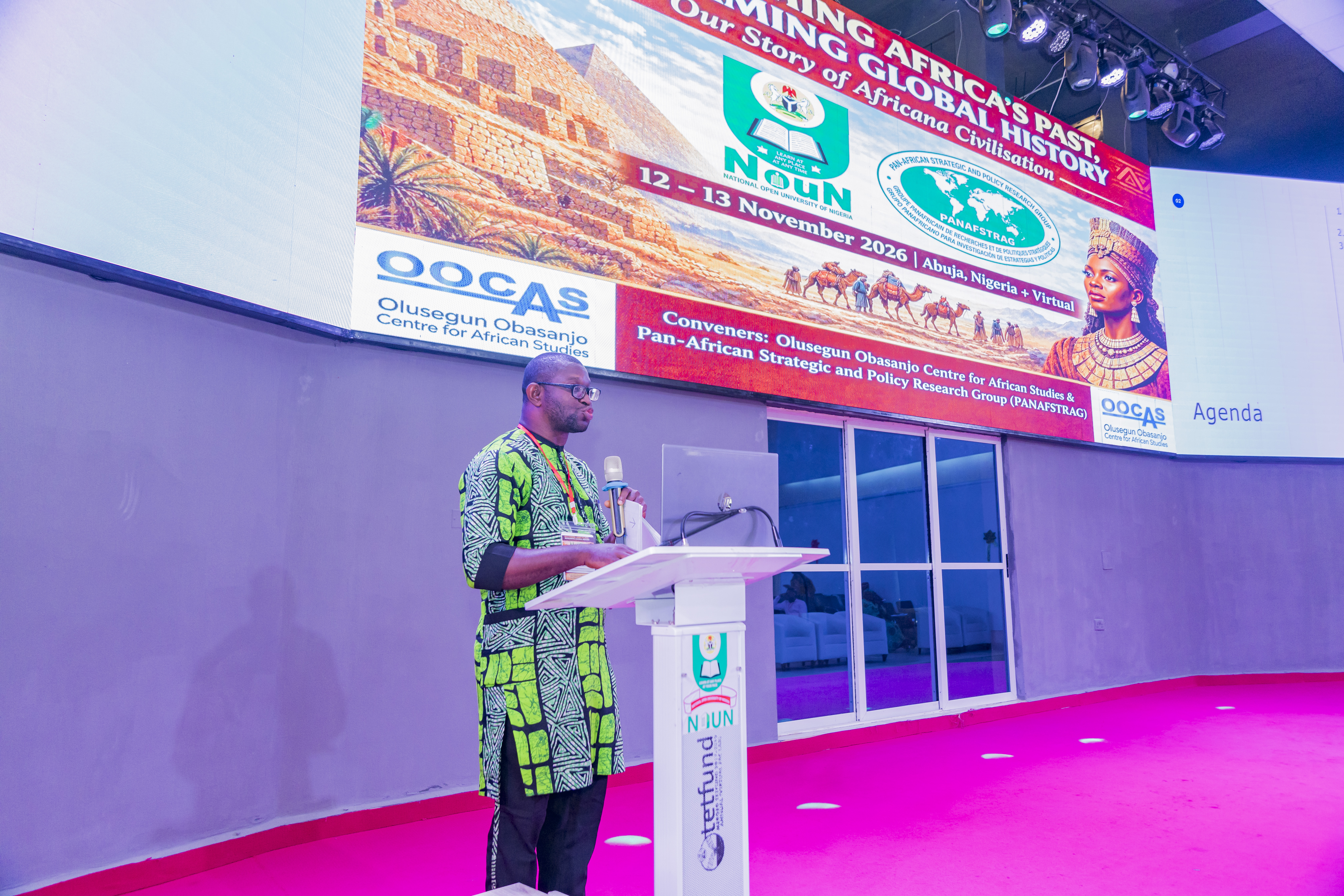
He advocated examining African history from the perspectives, experiences and knowledge systems of African peoples themselves, while promoting a broader understanding of the diversity of African experiences and the continent's historical connections with the rest of the world.
Following the first lead presentation by Prof. Jorge Gumbe, who participated virtually, the conference proceeded to its paper presentation sessions, with a total of 48 papers presented over the two days.
The first day featured predominantly physical presentations, providing opportunities for direct scholarly engagement, interaction between presenters and participants, questions, and constructive criticism.
The second day focused largely on virtual presentations, extending the conference's reach and enabling scholars and researchers outside the physical venue to participate.
The presentations and discussions reflected the interdisciplinary focus of the conference, exploring different dimensions of African history, civilisation, knowledge production, cultural heritage and contemporary development.
Participants engaged in robust discussions, raising questions and offering observations on Africa's identity, future, historical pride and the need to harness its indigenous knowledge and resources for sustainable development.
- Log in to post comments
- 44 views