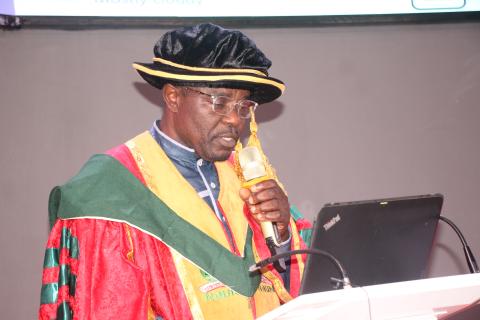
A Professor of Information Management and Management Information Systems at the National Open University of Nigeria (NOUN), Mustapha Momoh, has urged individuals and organisations to be more critical and responsible in their use of information.
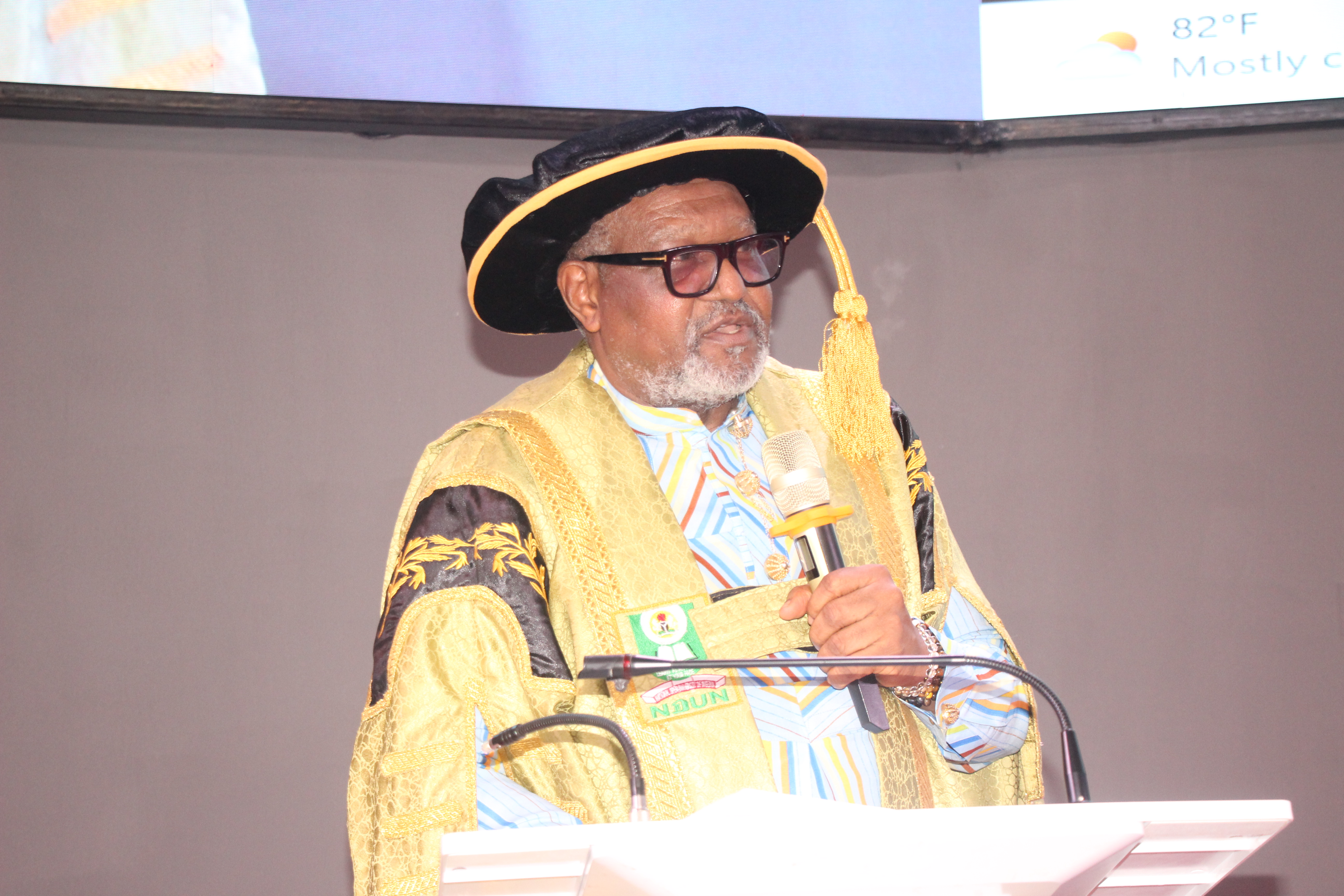
Professor Momoh made the call on Thursday, September 24, 2026, while delivering the university’s 43rd Inaugural Lecture at its Conference Centre in Abuja. His lecture was titled “Managing Information Sources, Utilisation and the Need to Know.”
A member of the Department of Business Administration, Faculty of Management Sciences, Professor Momoh said society had moved from an era of information scarcity to one of information overload. The challenge, he explained, was no longer simply how to obtain information, but how to decide what to trust, how to interpret it, when to use it and who needs to receive it.
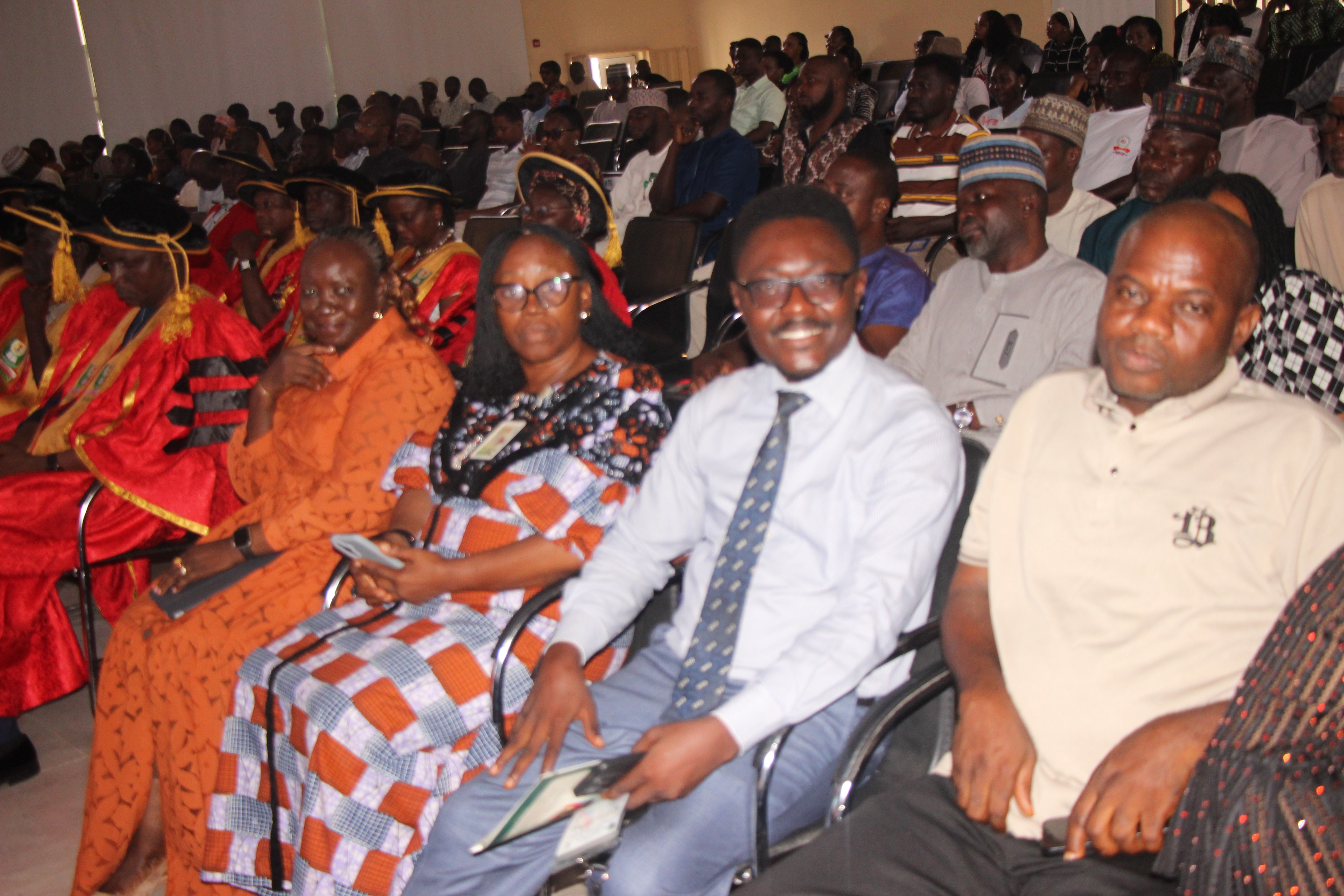
He drew a distinction between being “information-rich” and being “information-wise,” warning that access to vast amounts of information does not necessarily lead to better decisions.
“Information is a vital resource,” he said, noting its role in decision-making, goal attainment and organisational performance. Yet greater access in the digital age, he observed, had brought new difficulties, including misinformation, disinformation and the challenge of separating credible sources from unreliable content.
Professor Momoh urged individuals and organisations to develop the ability to distinguish useful information from noise. Without proper evaluation and management, he warned, information could produce the familiar outcome of “garbage in, garbage out.”
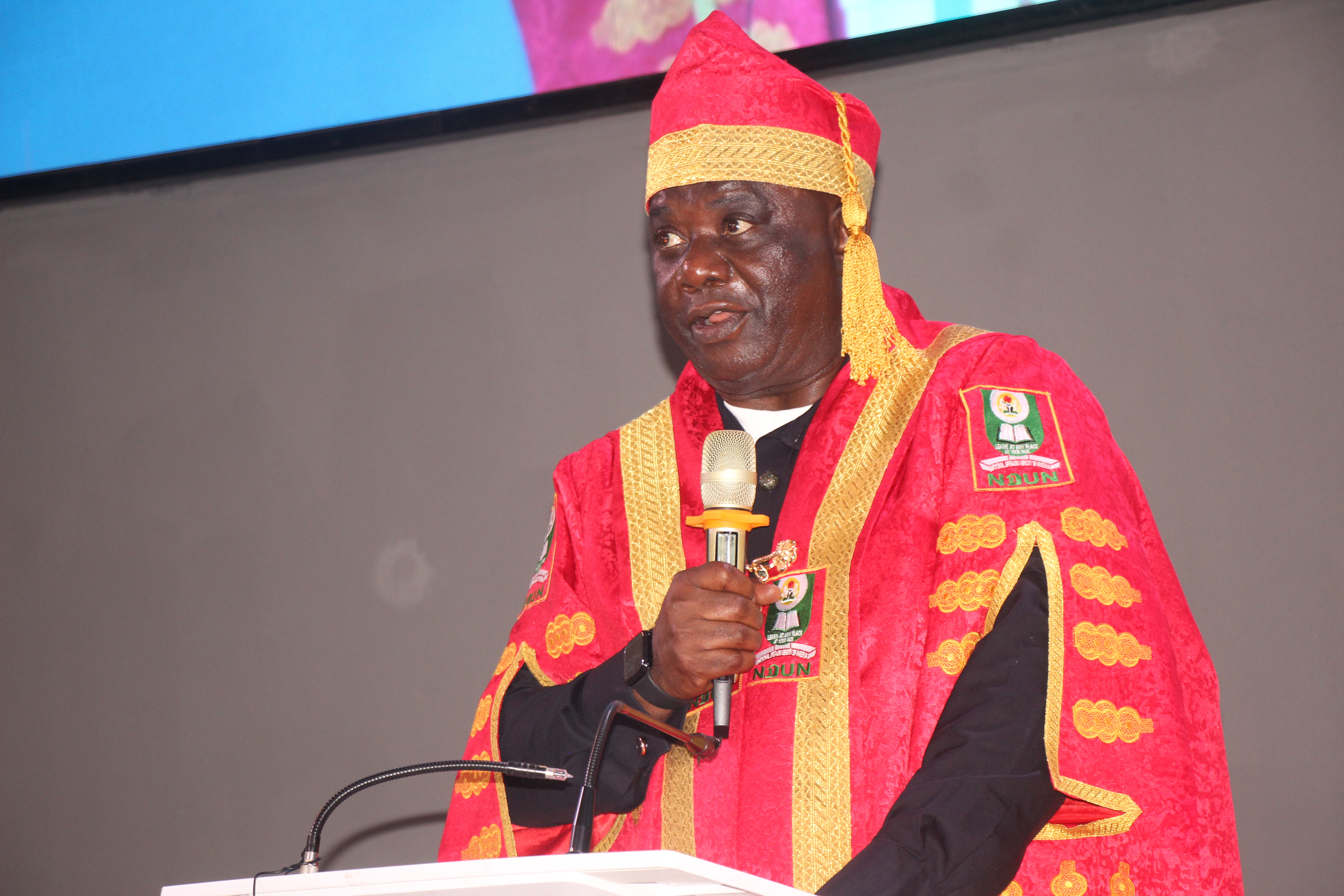
He described information as one of humanity’s three major resources, alongside materials and energy. He linked these resources to the Green Revolution, the Industrial Revolution and the Information Revolution, and invited his audience to consider what the next major global revolution might be.
Explaining how information supports decisions, Professor Momoh said strategic information guides long-term planning and policy; tactical information helps managers allocate resources and exercise control; and operational information supports day-to-day activities.
To be useful, he stressed, information must be relevant, accurate, complete, timely and credible. It must also be clear, suited to the decision at hand and communicated to the right person.
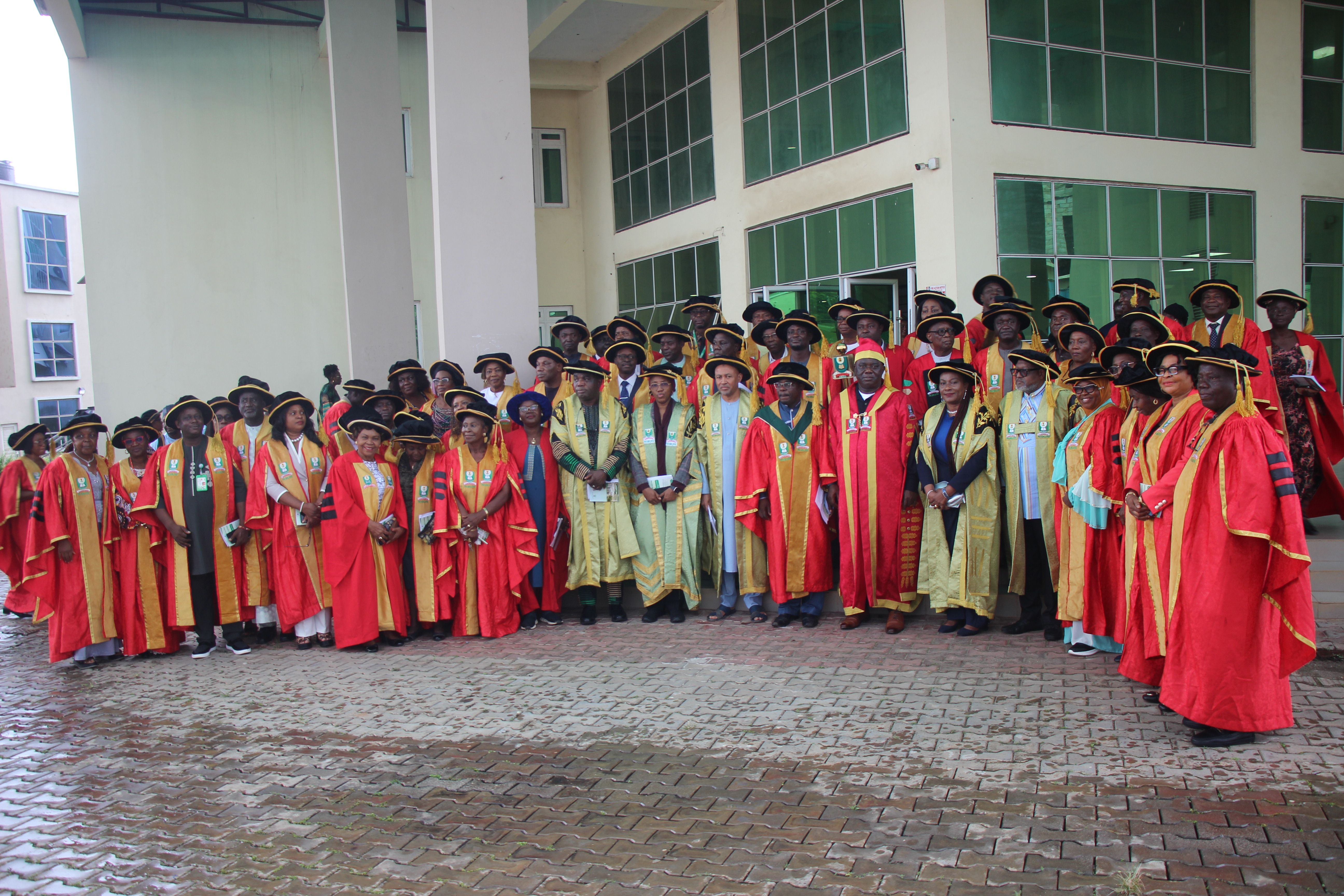
Professor Momoh distinguished raw data from information, explaining that data becomes useful when it is organised, interpreted and understood. Using optical illusions, he illustrated how perception can sometimes be mistaken for reality.
Earlier, the Vice-Chancellor, Professor Uduma Oji Uduma, congratulated Professor Momoh on the academic milestone and commended his contribution to the intellectual life of the university.
Professor Uduma urged academic staff and doctoral students to attend inaugural lectures regularly. Such lectures, he said, should bevalued as opportunities to learn from the research journeys and contributions of established scholars, rather than viewed merely as ceremonial occasions.
The Deputy Vice-Chancellor, Academics, Professor Chiedu Mafiana, thanked participants and commended Professor Momoh for an enlightening presentation. He said the lecture reinforced the responsibility of academics and institutions to generate, preserve, evaluate and share knowledge responsibly.
Professor Momoh thanked the Vice-Chancellor, the Deputy Vice-Chancellor, Academics, and members of the university community for their presence and support.
- Log in to post comments
- 111 views