
Nigeria cannot achieve sustainable economic growth without a functional, inclusive and culturally responsive financial system, Wilfred N.J. Ugwuanyi, a Professor of Banking and Finance, has said.
He made this assertion while delivering the 39th Inaugural Lecture of the National Open University of Nigeria (NOUN) on April 30, 2026, at the university’s headquarters in Abuja.
The scholar emphasised that informal financial structures remain the “backbone of financial survival” for millions of Nigerians, particularly in rural communities.
In the paper, titled “Technological Innovations and Informal Financial Institutions: Implications for Economic Development Amidst Cultural Diversity in Nigeria,” he traced the evolution of payment systems from barter to modern digital platforms and explained that the inefficiencies of barter—especially the problem of double coincidence of wants—led to the adoption of money, a transition influenced by colonial economic systems that introduced formal banking.
Ugwuanyi identified mobile money platforms, electronic funds transfer systems, Automated Teller Machines (ATMs) and digital banking applications as transformative tools that have improved transaction speed, transparency and accessibility.
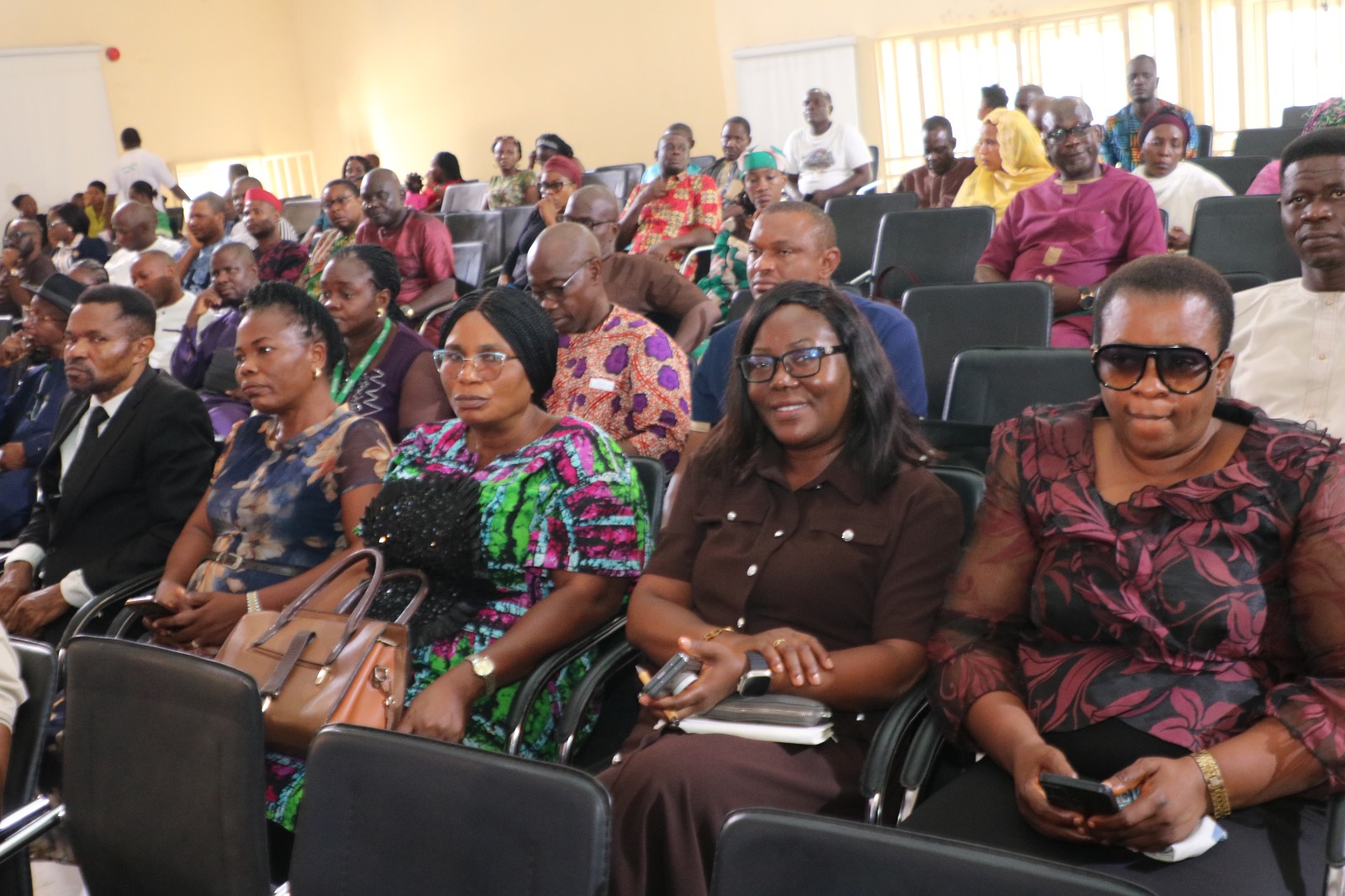
According to him, these innovations have significantly expanded financial inclusion, particularly among previously underserved populations.
However, he cautioned that the benefits of these advancements are unevenly distributed.
He cited inadequate infrastructure, limited internet penetration in rural areas, cybersecurity concerns and widespread digital illiteracy as key barriers.
He also highlighted trust deficits, noting that many Nigerians remain sceptical of formal and digital financial systems due to past experiences and cultural dispositions.
A central theme of the lecture was the enduring relevance of informal financial institutions.
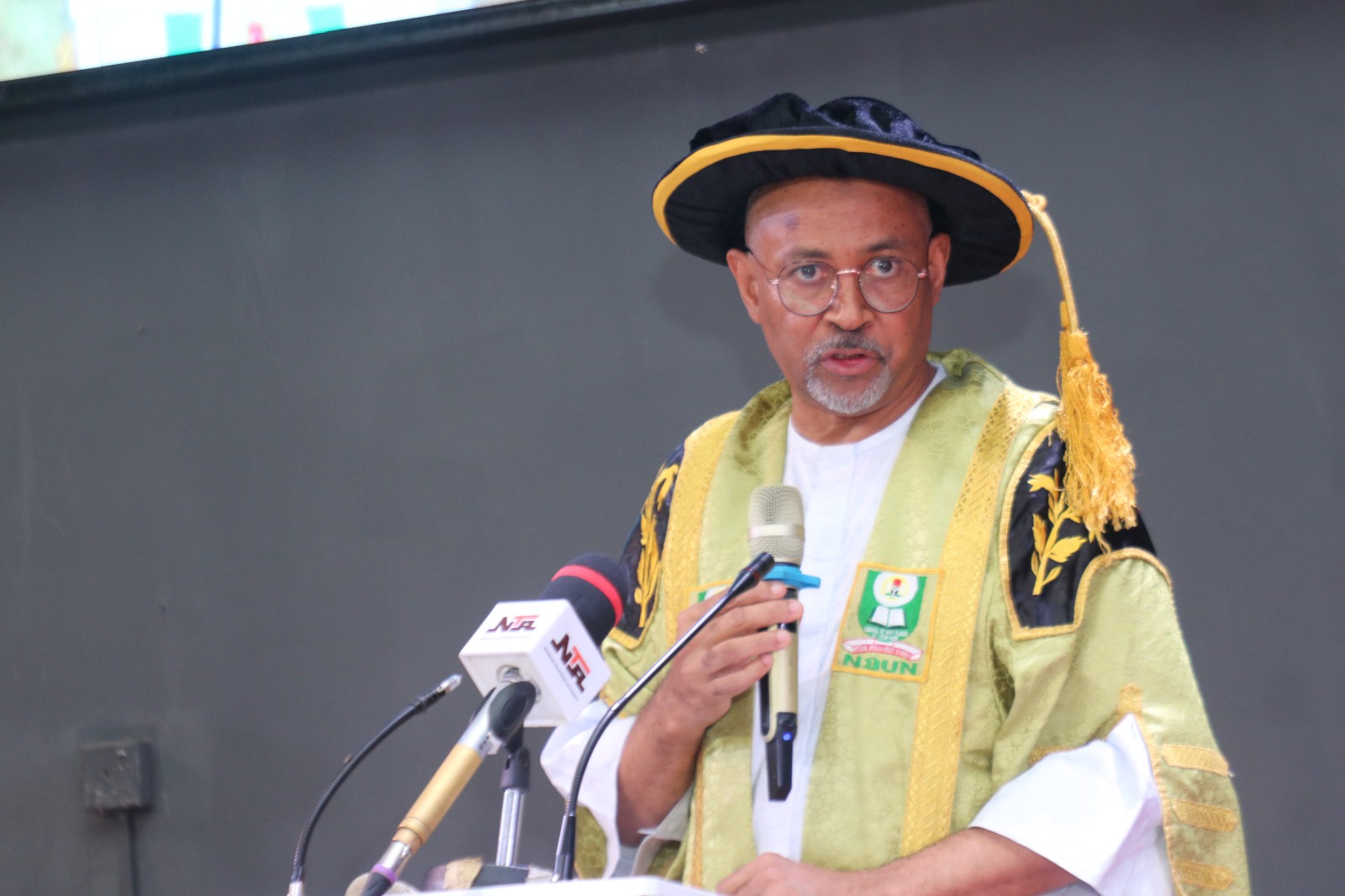
Ugwuanyi described rotating savings and credit associations, cooperative societies, thrift collectors and community-based lending groups as deeply embedded in Nigeria’s socio-cultural fabric. These systems, he noted, are not merely financial mechanisms but social institutions grounded in trust, mutual support and shared identity.
He further explored the concept of social capital, explaining how relationships, community trust and shared norms serve as informal guarantees within these systems. Such networks, he argued, provide a level of financial resilience that formal institutions often struggle to replicate in culturally diverse environments.
On financial technology (fintech), Ugwuanyi acknowledged its disruptive potential, citing improved convenience, efficiency and access.
However, he warned that without proper integration, fintech solutions risk alienating the very communities they are intended to serve.
He called for a balanced regulatory framework that promotes innovation while protecting users. Policymakers, he said, must recognise and integrate informal financial institutions into the national financial architecture rather than displace them.
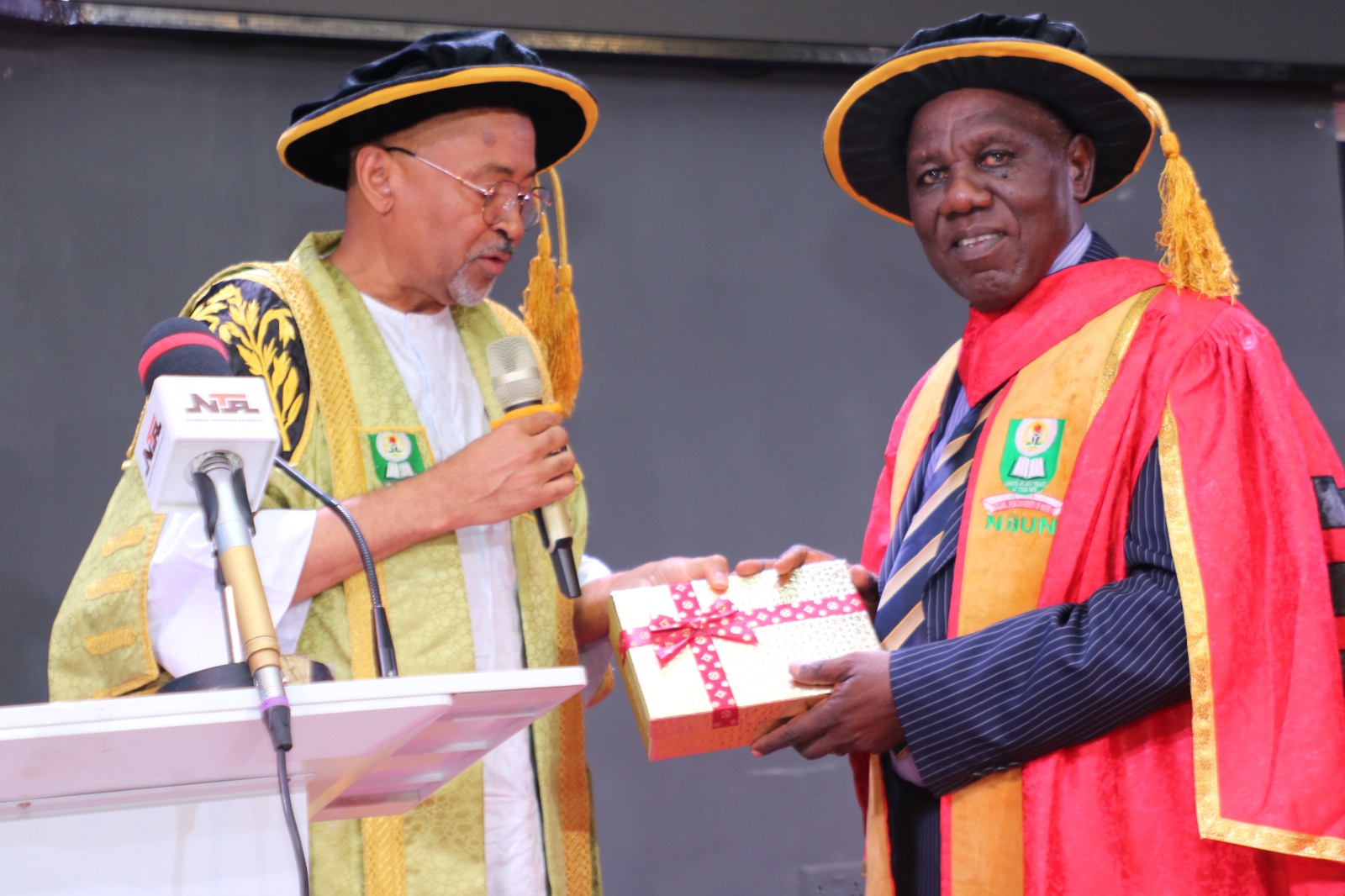
Culturally sensitive approaches, he added, are essential for meaningful financial inclusion.
The university don also advocated targeted financial literacy programmes that reflect Nigeria’s linguistic diversity, cultural nuances and varying levels of technological exposure.
“Nigeria’s diversity should be seen as an asset, not a barrier,” he said, warning, “A one-size-fits-all approach will fail.”
He urged stronger collaboration among government, academia, financial institutions, technology providers and local communities to build a resilient, inclusive and future-ready financial system.
In his remarks on the lecture, the Vice-Chancellor of NOUN, Professor Uduma Oji Uduma, described inaugural lectures as “a platform for intellectual engagement.”
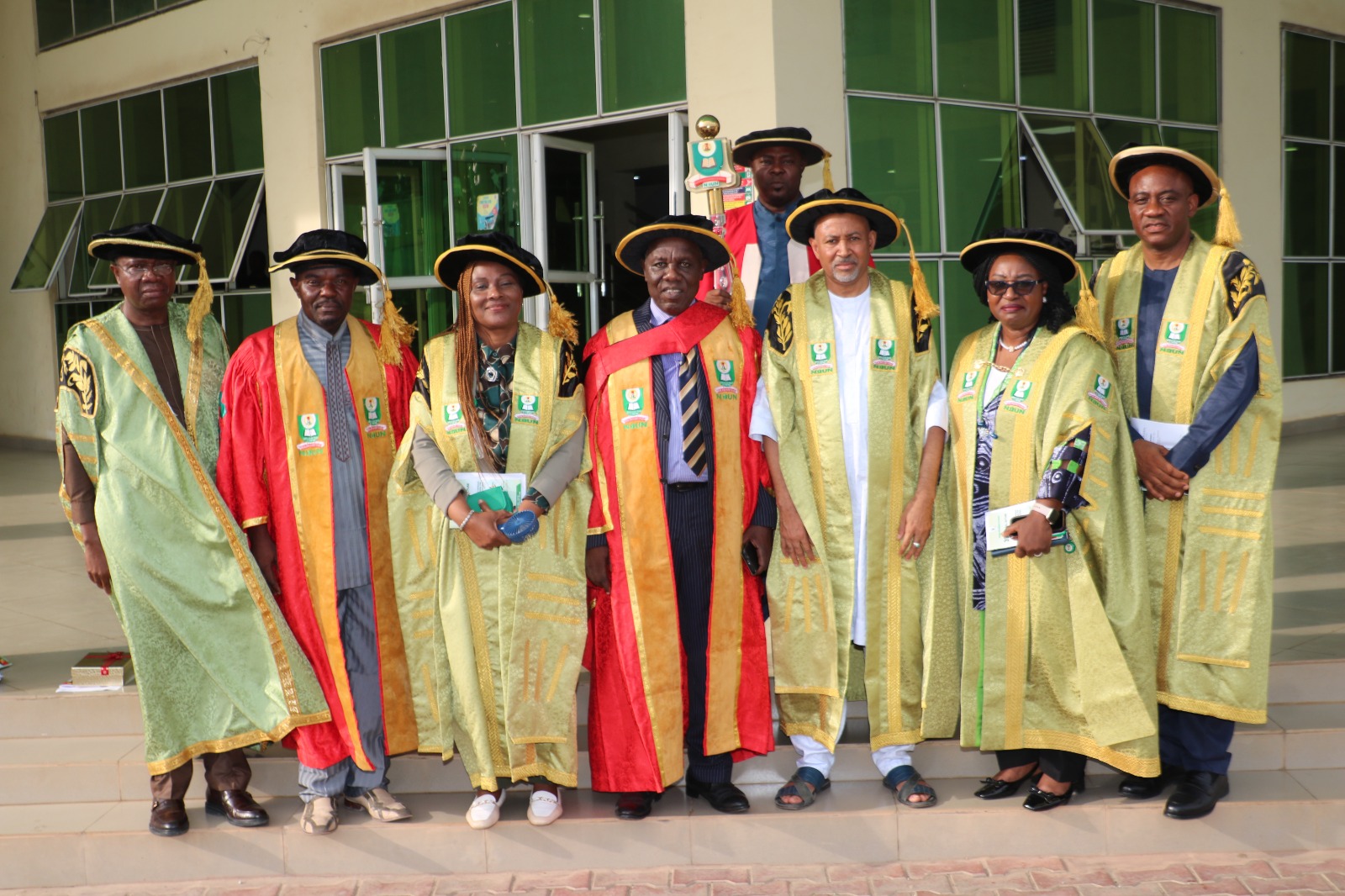
He noted that NOUN’s student population reflects the socio-economic realities highlighted in the lecture, observing that many students rely on informal financial systems in their daily lives.
Uduma, who was represented by the Deputy Vice-Chancellor (Administration), Professor Shehu Adamu, noted: “Just as fintech is transforming financial inclusion, NOUN has leveraged technology to democratise education across geographical and cultural boundaries.”
The Vice-Chancellor added that universities must generate knowledge that informs policy, empowers communities and bridges the gap between theory and practice.
He commended the lecture, noting that it would contribute meaningfully to national discourse on financial inclusion and economic development.
In her vote of thanks, the Deputy Vice-Chancellor (Technology, Innovation and Research), Professor Christine Ofulue, reaffirmed NOUN’s commitment to academic excellence and national development.
- Log in to post comments
- 258 views