A professor of Mathematics Education in the Department of Science Education, National Open University of Nigeria (NOUN), Samson Sunday Afolabi, has underscored the critical role of Mathematics Education in national development, innovation and human capital advancement, with a strong call for increased investment in the discipline and the recruitment of more specialists.
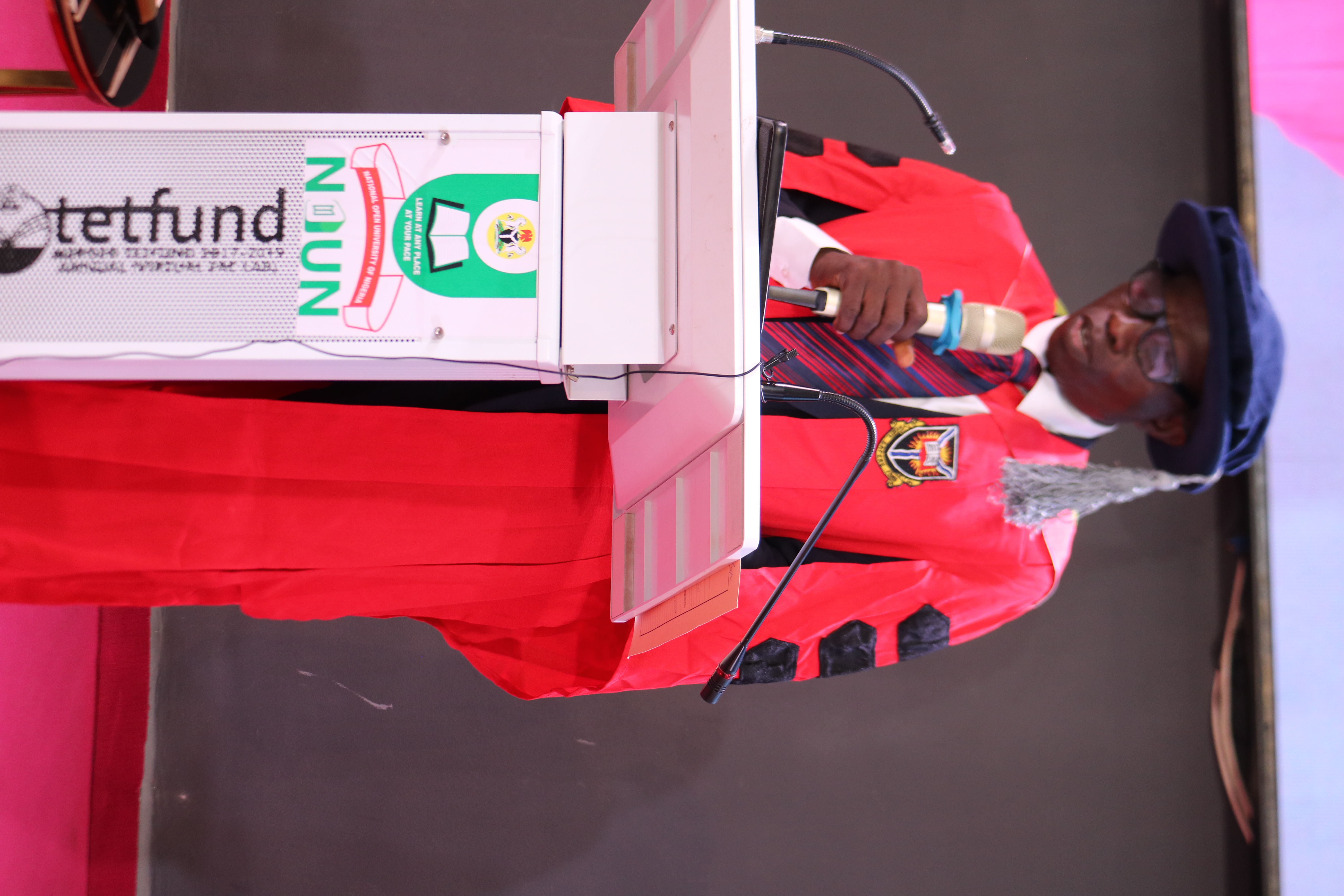
While delivering the university’s 41st Inaugural Lecture on Thursday, July 30, 2026, at the NOUN Conference Centre, University Headquarters, Abuja, Prof. Afolabi described Mathematics Education as a transformative discipline that equips learners with the knowledge and skills needed to drive scientific progress, technological innovation and sustainable national development.
His lecture, titled "The What, Why, Who, How, When and Where: My Story in the Edifice of Mathematics Education," blended scholarly insights with personal reflections drawn from decades of teaching, research and professional experience.
Afolabi distinguished between a mathematician and a mathematics educator, explaining that while mathematicians focus on developing and applying mathematical concepts, mathematics educators are concerned with how mathematics is taught, learned and applied to solve real-life problems.
He described Mathematics Education as a learner-centred and interdisciplinary field that demands continuous teacher development and promotes critical thinking, creativity and problem-solving.
Speaking on the theme, he explained that Mathematics Education extends beyond classroom instruction and should be recognised as a practical tool for societal transformation.
According to him, the discipline fosters scientific and technological literacy, enhances global competitiveness, reduces mathematics anxiety and prepares learners for the demands of the modern workforce.
"My scholarly works justify Mathematics not merely as a school subject, but as a strategic instrument for personal empowerment, societal progress and national transformation," he stated.
Highlighting key stakeholders in Mathematics Education, Afolabi identified learners, teachers and educational institutions as central to achieving improved learning outcomes.
The lecturer, while drawing on his research findings, noted that students' study habits have a greater impact on academic performance in mathematics than gender, stressing the importance of creating equitable learning opportunities for all.
He also described teachers as transformational agents capable of inspiring innovation and lifelong learning, emphasising that effective educators combine sound subject knowledge with creativity, emotional intelligence and continuous professional development.
The professor further presented a six-pillar framework for strengthening Mathematics Education through transformational pedagogy, diverse instructional strategies, experiential learning, technology integration, equity and systemic innovation.
He advocated practical teaching approaches, effective assessment methods and the wider application of digital technologies in mathematics instruction.
Afolabi also argued that Mathematics Education can contribute to peace-building and conflict prevention by promoting logical reasoning, collaboration and informed decision-making.
Examining the evolution of the discipline, he highlighted curriculum innovation, policy development and institutional reforms as essential drivers of national growth and global relevance.
He disclosed that Mathematics Education ranks third in student graduation output among the seven undergraduate programmes in the Department of Science Education between 2016 and 2024, which calls for additional specialists.
He therefore appealed to the university management for the recruitment of more Mathematics Education specialists to ensure continuity and sustainability of the programme.
He also renewed his appeal for the establishment of Master of Education (M.Ed.) and Doctor of Philosophy (Ph.D.) programmes in Mathematics Education at NOUN, noting that proposals for both programmes have been submitted to the management for onward action.
He maintained that introducing dedicated postgraduate programmes would improve student retention and further strengthen NOUN's leadership in teacher education.
"As many would say, Mathematics is the Queen of Sciences and King of Arts. How great a deal it will pay off if we elevate its status in our institution," he remarked.
Afolabi also dropped another call on educators, policymakers and researchers to collaborate in advancing Mathematics Education by investing in quality teaching, technology, innovation and equitable learning opportunities.
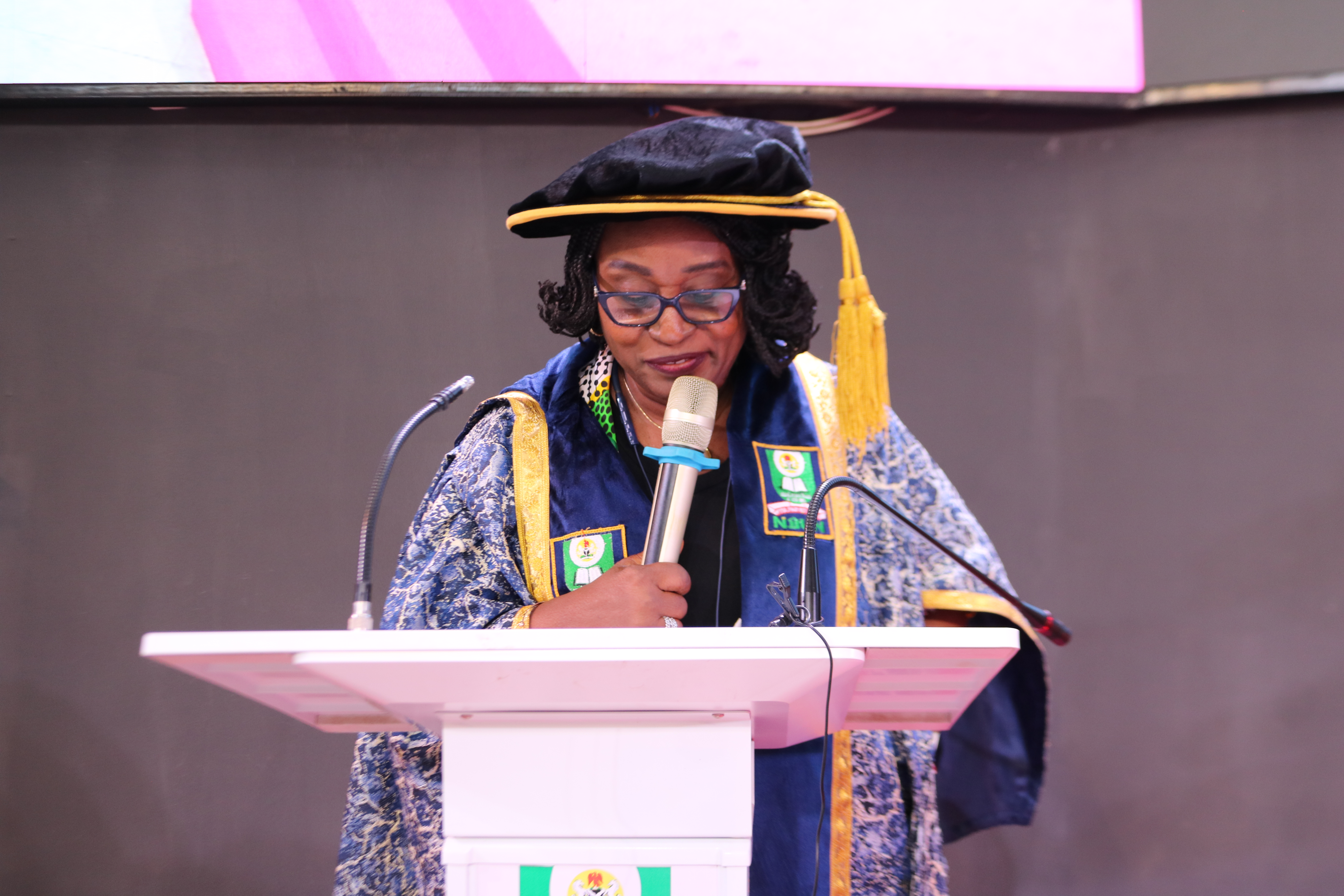
In his opening remarks, the Vice-Chancellor, Prof. Uduma Oji Uduma, represented by the Deputy Vice-Chancellor, Technology, Innovation and Research, Prof. Christine Ofulue, commended Afolabi for his outstanding contributions to Mathematics Education and academic scholarship.
The Vice-Chancellor described the inaugural lecture as a significant intellectual contribution that reflected the lecturer's academic journey while offering practical insights for educational development and national progress.
Uduma noted that Mathematics Education remains fundamental to scientific advancement and applauded Afolabi's commitment to teaching, research and mentorship.
He also acknowledged his appeals for additional specialists and the introduction of postgraduate programmes, observing that the issues raised would enrich ongoing discussions on strengthening academic programmes within the university.
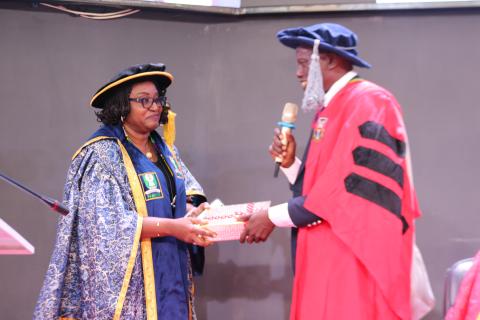
The Vice-Chancellor's representative later received a copy of the inaugural lecture on behalf of Professor Uduma and reaffirmed the university's commitment to advancing Mathematics Education and other strategic academic disciplines.
There was a presentation of a commemorative plaque to Professor Afolabi by the Faculty of Education in recognition of his outstanding contributions to Mathematics Education, scholarship and the continued growth of the National Open University of Nigeria.
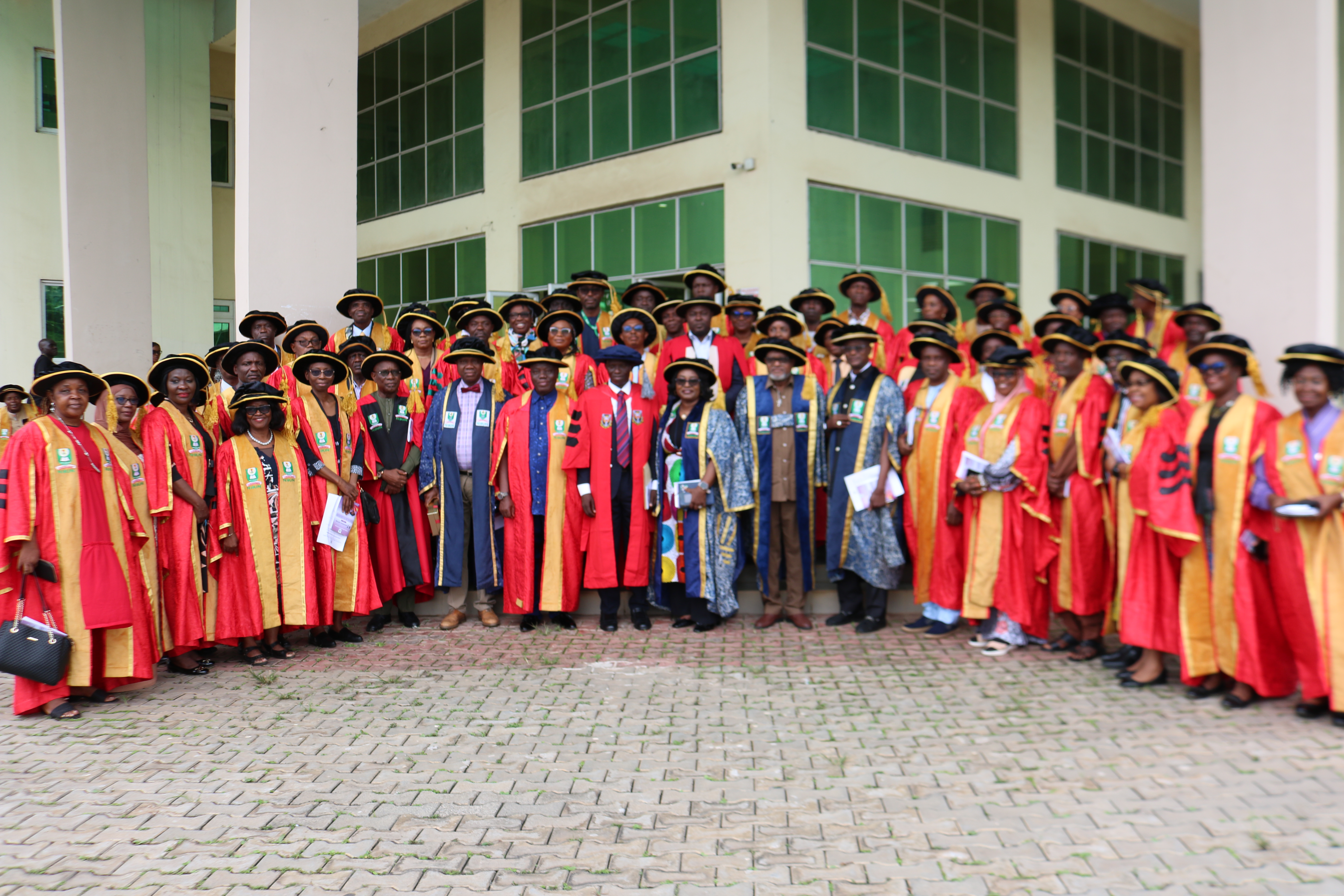
The lecture was attended by the principal officers of the university, senior staff, former vice-chancellors, guests as well as friends and family members of the presenter.
- Log in to post comments
- 612 views