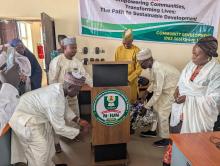
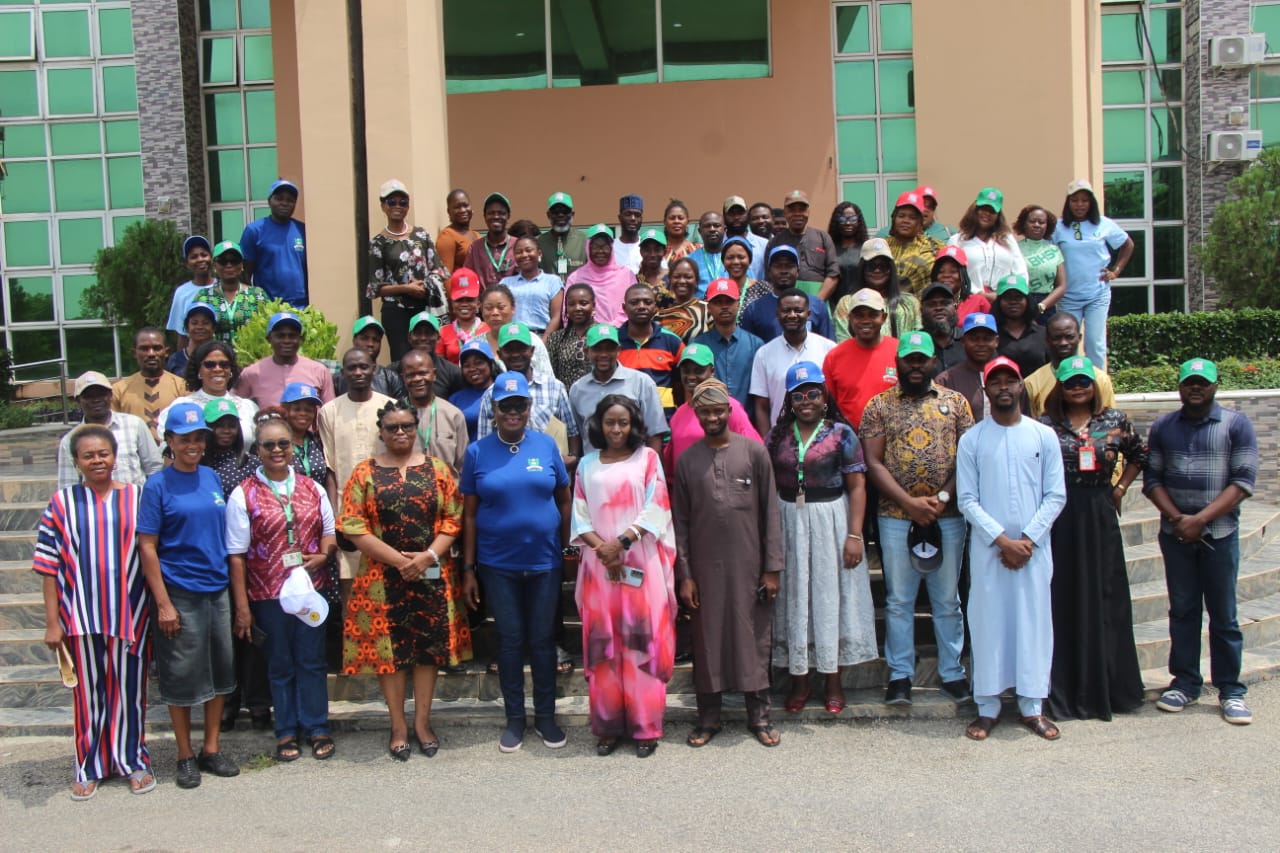
The SERVICOM Unit of the National Open University of Nigeria (NOUN) has trained its representatives from the university’s headquarters and study centres on modern records management, communication and service delivery to enhance administrative efficiency and accountability.
The Director of the SERVICOM Unit, Ms. Tayo Olowola, said continuous capacity building was essential to improving service delivery and sustaining the university’s reputation.
Olowola spoke at the unit’s third-quarter meeting and training held on Tuesday, October 6, 2026, at the university’s headquarters in Jabi, Abuja.
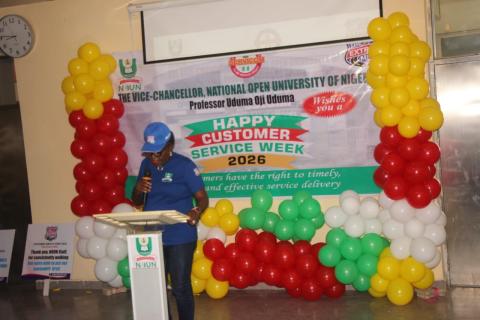
The event also formed part of activities marking the 2026 Customer Service Week.
Olowola, while welcoming participants, emphasised the need for regular training to strengthen service delivery, promote professionalism and ensure that staff consistently meet the expectations of the university’s stakeholders.
One of the resource persons, Mrs. Kikelomo Aina of the SERVICOM Unit, delivered a presentation titled “Modern Techniques in Record Management, Registry Operations and File Tracking.”
Aina described effective records management as critical to accountability, auditing, investigations and informed decision-making.
She explained that proper record-keeping facilitates prompt responses to enquiries, ensures administrative continuity during staff transitions and builds public confidence in the institution.
She warned that poor records management could result in misplaced files, delays, duplication of efforts, faulty decisions, fraud and unauthorised disclosure of information.
Comparing traditional registry practices with modern approaches, Aina highlighted the growing importance of digital tools, including barcode tracking, electronic document management systems, controlled access, activity logs and automated reporting, in promoting efficiency, transparency and accountability.
She noted that Electronic Document and Records Management Systems (EDRMS) provide secure storage, facilitate easy retrieval and improve records control.
According to her, the systems also reduce paperwork and establish clear audit trails for document-related activities.
Also speaking, the Acting Director of Human Resources, Mrs. Doris Nzenwa, urged registry personnel to uphold professionalism and demonstrate commitment beyond the minimum requirements of their duties.
In her presentation on modern records management and file tracking, Nzenwa described registry operations as central to the entire lifecycle of official documents, from receipt and registration to filing, storage, retrieval, processing and dispatch.
She explained that effective registry operations require staff to open and code files accurately, register and minute documents appropriately, monitor file movements and exercise sound judgement before filing official correspondence.
Nzenwa further stressed that official documents must contain essential details, including the date, address, subject, signature and identification of the author.
She urged registry personnel to ensure that documents meet established requirements before accepting and processing them.
While addressing the responsibilities of different staff cadres, she said effective records management depended on collaboration between clerical and executive officers, noting that while junior officers handle record creation and routine documentation, senior officers provide oversight and verification.
The Ag. Director encouraged participants to pursue excellence through initiative, diligence and professionalism while adhering to established rules and procedures.
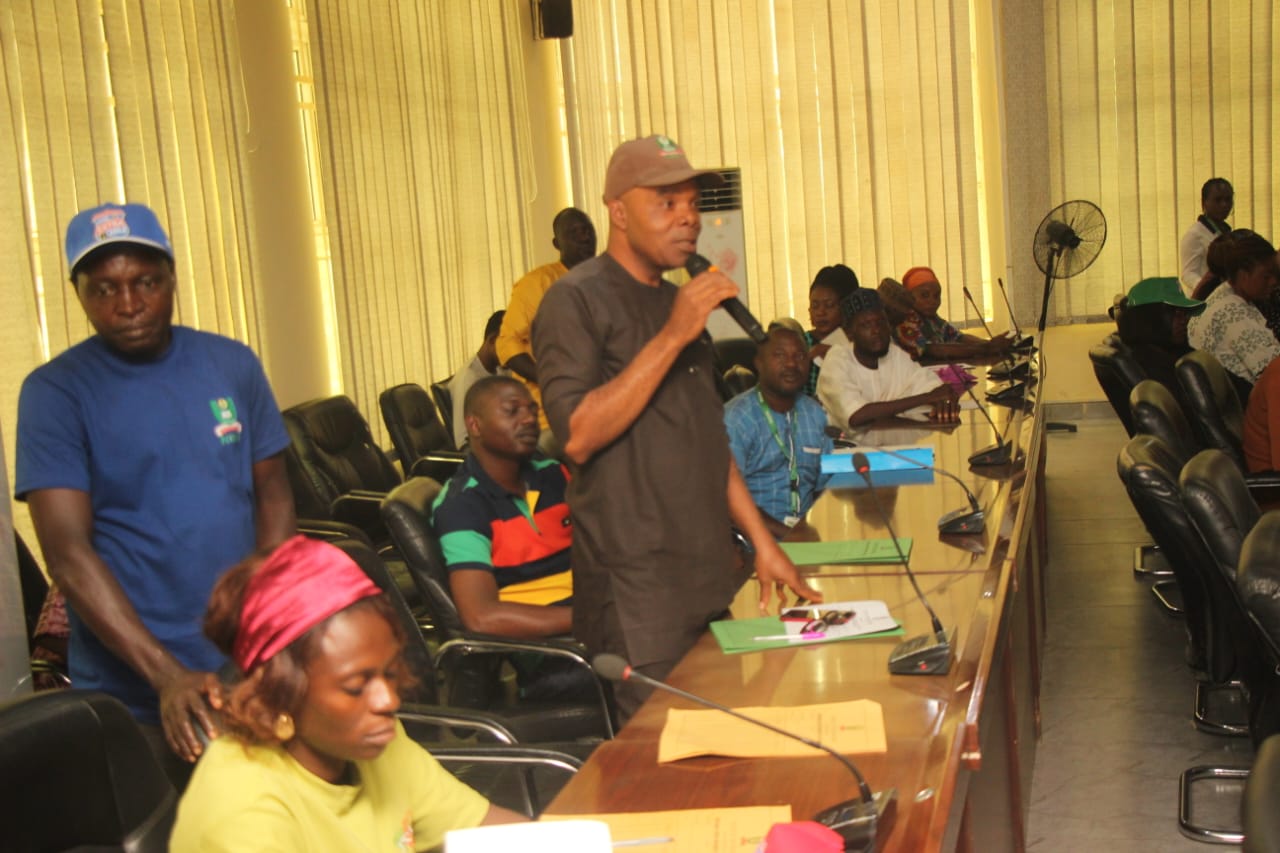
The training featured interactive sessions, during which participants sought clarification on issues relating to records management and service delivery.
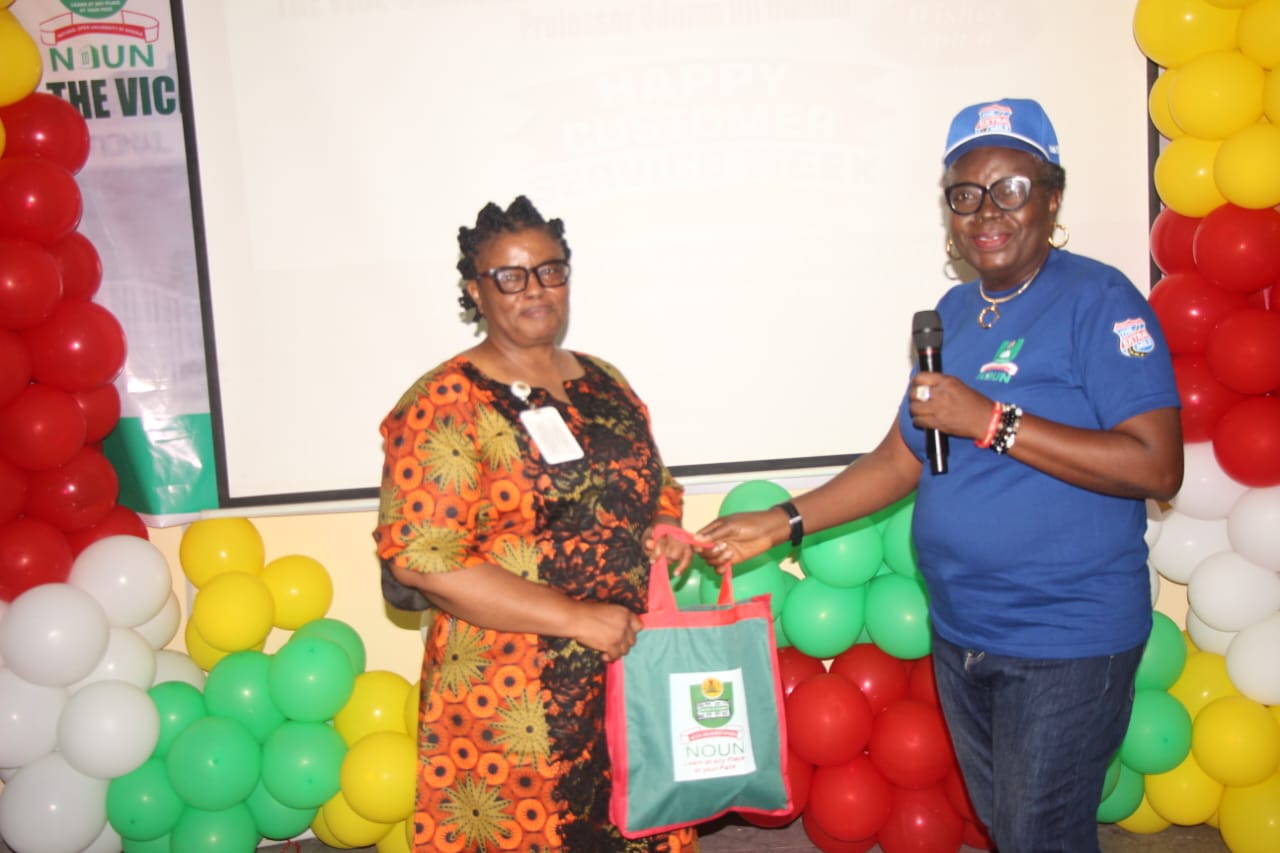
In her closing remarks, Olowola commended the resource persons for their contributions and urged participants to apply the knowledge acquired to improve administrative processes and service delivery in their respective units and study centres.
- Log in to post comments
- 41 views