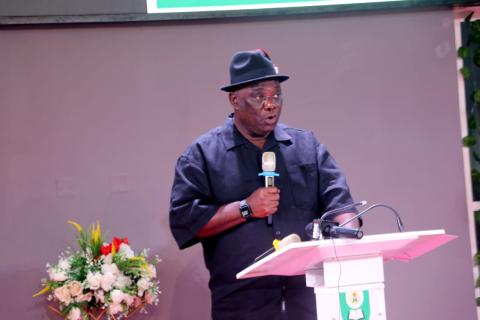
Vice-Chancellor of the National Open University of Nigeria (NOUN), Prof. Uduma Oji Uduma, has challenged researchers and academics to move beyond generating knowledge and focus on translating research findings into innovation, practical solutions and measurable national development.
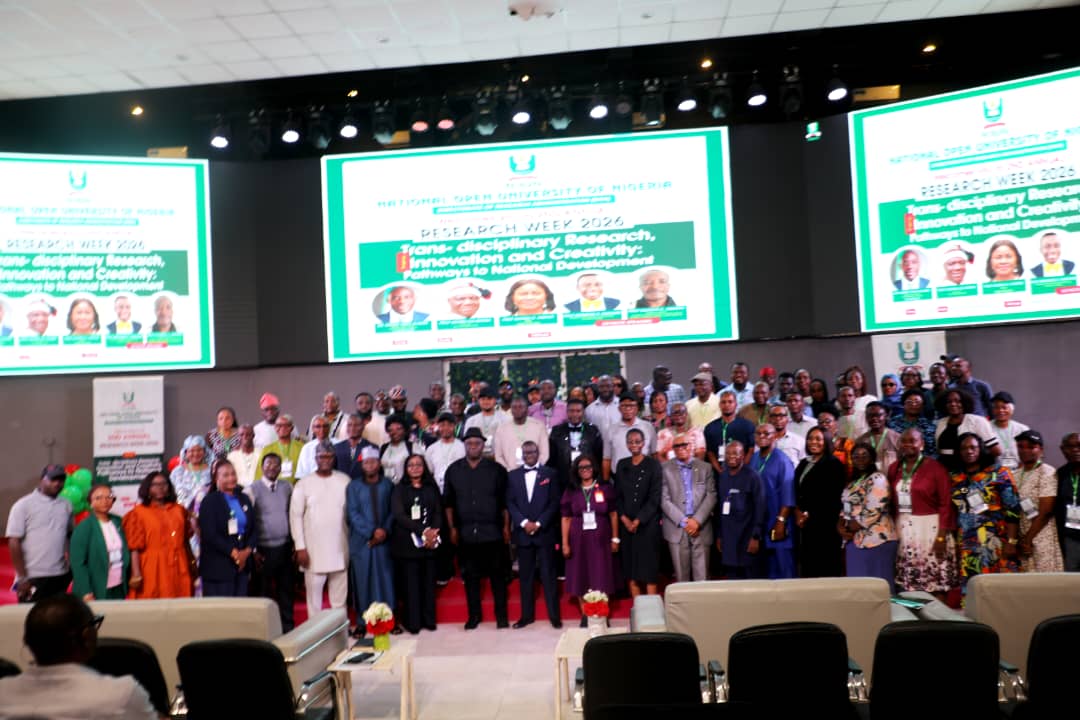
Uduma gave the charge on Tuesday, September 8, 2026, at the opening of NOUN’s Second Annual Research Week, organised by the Directorate of Research Administration (DRA).
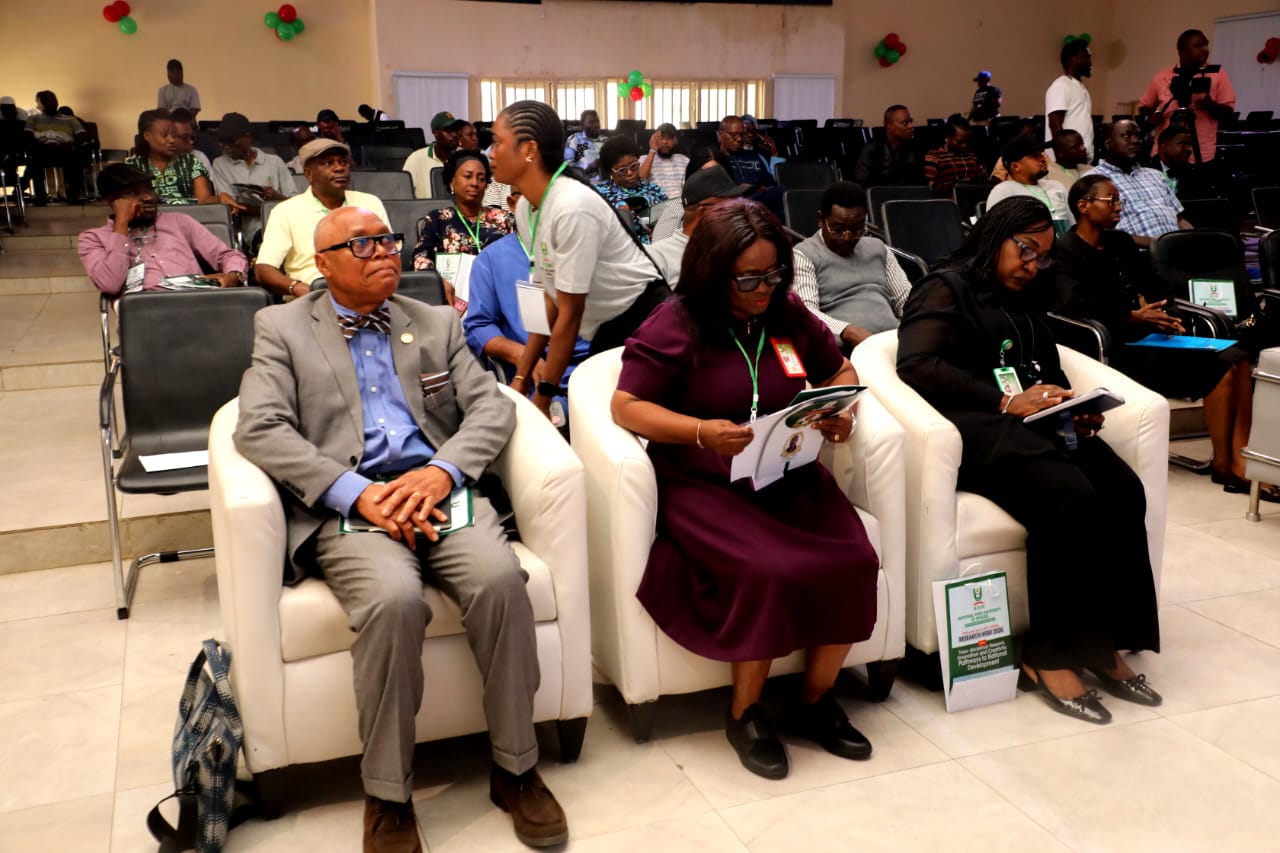
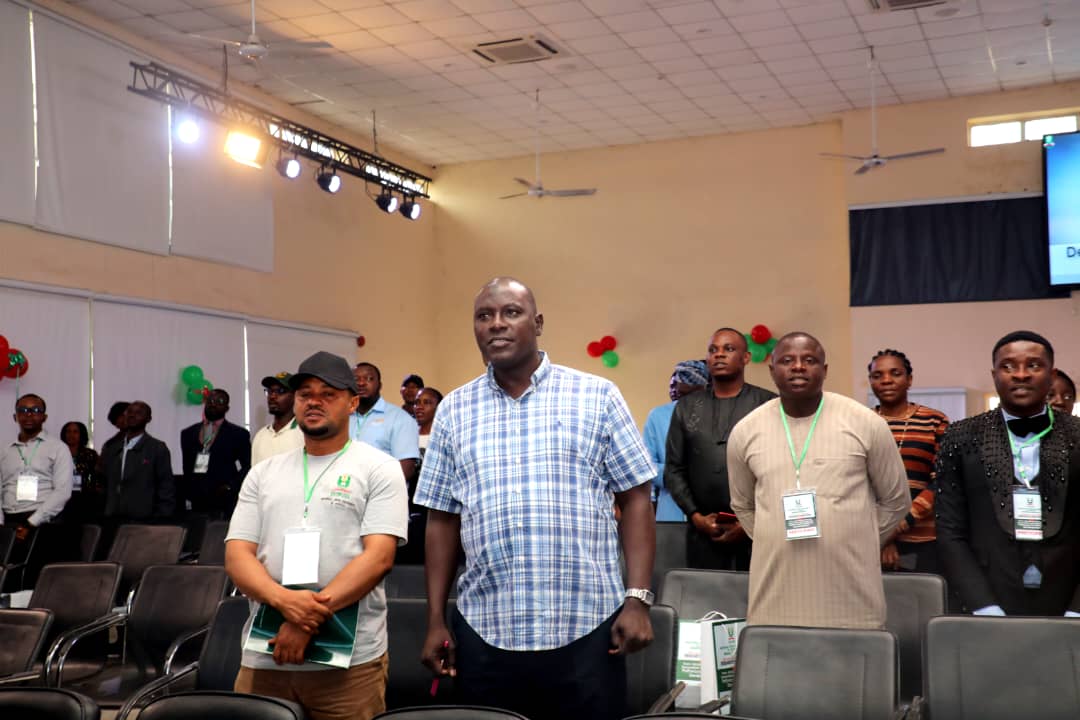
The two-day event, with the theme, “Trans-disciplinary Research, Innovation and Creativity: Pathways to National Development,” brought together university management, researchers, academics and other stakeholders to examine ways of strengthening the connection between research and Nigeria’s development needs.
While declaring open the Research Week, Prof. Uduma began on a sombre note, as the university was observing three days of mourning following the death of its Bursar, Mal. Nasiru Marafa.
The Vice-Chancellor described the late Bursar as more than an officer who occupied an important administrative position, but as a member of the university community who contributed significantly to the building and sustenance of the institution.
He expressed the management’s condolences to the deceased’s family, colleagues and friends, and prayed for strength for all those affected by the loss.
Quoting the African proverb, “A person does not plant a tree for himself alone; he plants it for those who will come after him,” the Vice-Chancellor linked scholarship with responsibility to future generations.
He said universities teach students they may never meet again, undertake research whose full implications may only become clear years later, and build institutions whose benefits may be enjoyed by generations yet unborn.
“Scholarship,” he said, “should therefore be seen as more than a profession. It is an intergenerational responsibility.”
He also referred to the African wisdom that when an old man dies, a library burns, stressing that universities have a responsibility to ensure that knowledge does not disappear with individuals.
According to him, research, documentation, teaching, publication, mentorship and institutional memory provide mechanisms for transforming individual knowledge into shared and enduring knowledge.
The Vice-Chancellor said the role of the modern university had evolved beyond preserving and transmitting existing knowledge.
He explained that universities were now expected to generate new knowledge, challenge assumptions, develop technologies, provide evidence for public policy and contribute to social and economic transformation.
Prof. Uduma observed that digital technologies, artificial intelligence, global communication networks and open educational resources had created an unprecedented abundance of information. However, he stressed that access to more information did not automatically translate into knowledge.
He said universities must help society distinguish reliable knowledge from misinformation, evidence from unsupported claims, and sound arguments from mere opinions.
According to him, this is one of the reasons universities remain indispensable in contemporary society.
He challenged NOUN to produce not only graduates who possess knowledge, but citizens capable of asking critical questions about evidence, logic, truth and the responsible use of knowledge.
Prof. Uduma said the central question arising from the Research Week theme was what happened to knowledge after it had been produced.
He therefore urged researchers to focus not only on what was known, but also on how knowledge could be applied.
He described knowledge translation as a critical stage in the journey from research to societal transformation, outlining the process as knowledge generation, validation, dissemination, adoption, adaptation, implementation, evaluation and impact.
“A research finding that remains in a journal or conference proceeding without reaching the people who need it may represent a scholarly achievement, but its wider potential remains unrealised,” he said.
The Vice-Chancellor therefore called for stronger collaboration across departments, faculties, disciplines and universities, as well as deeper partnerships between academia and society.
In her welcome address, the Director of the Directorate of Research Administration, Prof. Gloria O. Anetor, said the Research Week was designed to provide a platform for transforming knowledge into impact.
She recalled that the maiden Research Week was held on August 19 and 20, 2025, under the theme, “Advancing Research Innovation and Knowledge Sharing for Sustainable Development.”
Prof. Anetor said the 2026 edition built on that foundation by placing greater emphasis on trans-disciplinary research, innovation and creativity as tools for national development.
She said the programme was intended to connect disciplines, stimulate innovation and creativity, strengthen partnerships and translate research evidence into practical solutions.
Among its objectives, she said, were bringing researchers and stakeholders together, supporting evidence-based policymaking, developing the next generation of researchers, connecting researchers with funding agencies and development partners, and enhancing the university’s national and international research profile.
She also stressed the importance of Open and Distance Learning research in national development, noting that the Research Week provided an opportunity to break disciplinary boundaries and connect research with national priorities, including healthcare, education, unemployment, food security, poverty, climate change and digital transformation.
The Executive Secretary of the Tertiary Education Trust Fund (TETFund), Arc. Dr Sonny S. T. Echono, in a goodwill message delivered by his representative, Dr Suleiman Zindiga, described the Research Week theme as timely and important.
He commended NOUN for its commitment to research and for expanding its research frontiers to address national challenges.
According to him, the complexity of contemporary challenges required institutions to move beyond isolated academic disciplines and create platforms where academia, industry and government could collaborate on practical solutions.
He noted that research, innovation and entrepreneurship were important tools for wealth creation and socio-economic development.
Echono said TETFund was supporting research and innovation through initiatives including the National Research Fund, Institution-Based Research interventions, Innovation Hubs, laboratory upgrades, Research for Impact, the TETFund Alliance for Innovative Research and Academic Solutions, and Incubation Programmes.
He assured beneficiary institutions of the Fund’s continued support for research and development activities aimed at promoting sustainable national development.
In his keynote presentation titled, “From Knowledge to National Transformation: Harnessing Trans-disciplinary Research, Innovation and Creativity for Sustainable Development,” Prof. E. Olatunde Farombi argued that Nigeria did not lack knowledge or talent, but faced a significant gap between knowledge and impact.
He said Nigeria must learn to connect knowledge with innovation and translate innovation into national transformation.
Prof. Farombi said universities must become engines of problem-solving rather than institutions that merely store and publish knowledge.
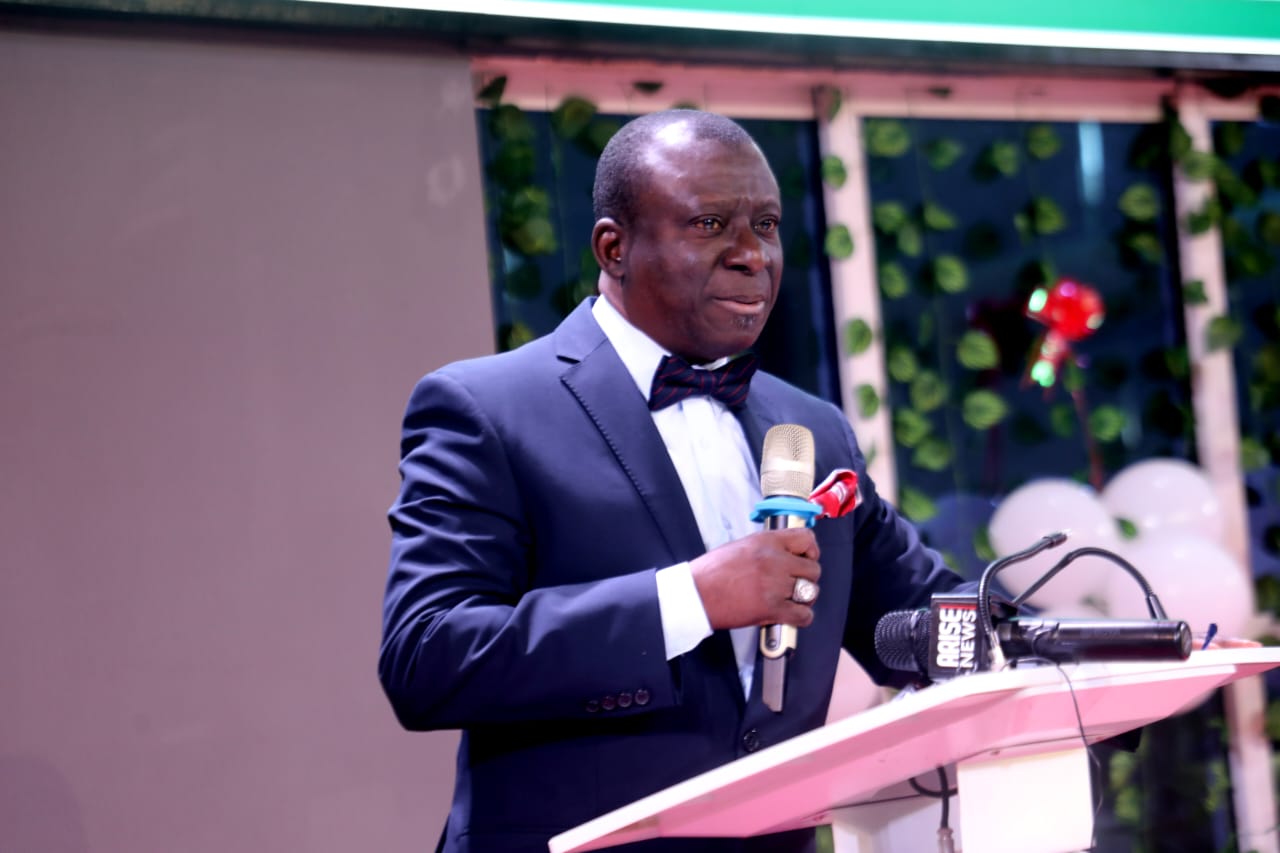
The University Librarian, Prof. Angela Okpala, commended the Research Week and its role in providing researchers and academics with opportunities to share ideas and engage with issues affecting research and national development.
She stressed the importance of creating an environment where knowledge generated within the university could be properly shared, preserved and made useful to a wider audience.
Okpala also encouraged continued collaboration among researchers and other stakeholders to strengthen the University’s research culture.
Also speaking, Prof. John Anetor of the University of Ibadan acknowledged the significance of the Research Week and its focus on trans-disciplinary research, innovation and creativity.
He highlighted the value of bringing scholars from different fields together to exchange ideas and contribute their expertise to common challenges.
Prof. Anetor observed that research became more meaningful when connected to real-life needs and encouraged participants to remain open to collaboration and new approaches to solving societal problems.
In his closing remarks, the former Director of the Directorate of Research Administration, Prof. Samuel Ayodele, expressed appreciation to the university and the directorate for sustaining the Research Week beyond its maiden edition.
Ayodele commended the organisers, researchers and stakeholders for contributing to the success of the 2026 edition and encouraged the university community to sustain the momentum towards a stronger research culture and greater national impact.
- Log in to post comments
- 21 views