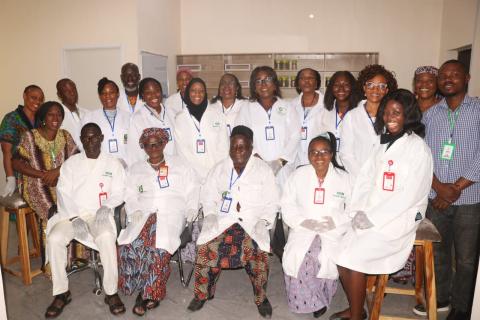
The new Drosophila Research Laboratory at the National Open University of Nigeria (NOUN) is not just for scientists. It is something that can touch our normal daily life in good ways. The immediate past Vice-Chancellor, Prof. Olufemi A. Peters, commissioned the lab on Tuesday, 10th February 2026 and this small step in science can bring big benefits to how we eat, move, rest, and take care of our bodies. Since his assumption as Vice-Chancellor from February 2026, Prof Uduma O. Uduma has continued this strategic support that has seen the laboratory grow by leaps and bounds.
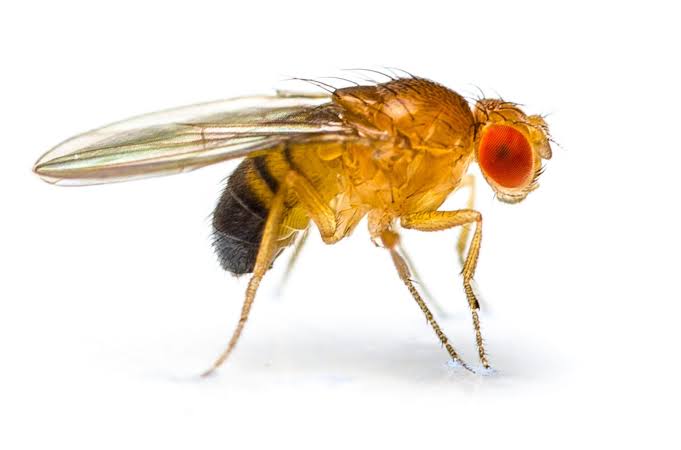
Many people may wonder why anyone would study tiny fruit flies to help human health. The answer is simple and lies in biology. Fruit flies, known as Drosophila melanogaster, share many genes and biological pathways with humans. Because of this, scientists have used them for many years to learn how the body works, how diseases start, and how we can prevent or treat them. Although fruit flies are small, they have made enormous contributions to medicine and public health. Research using Drosophila has helped scientists to understand key conditions such as diabetes, obesity, cancer, Alzheimer's disease, Parkinson’s disease, infections, ageing, infertility, and stress-related disorders.
The laboratory is headed by Prof. Helen Ochuko Kwanashie, a Professor of Pharmacology. She has been a strong voice for setting up this laboratory because it offers smart, low-cost and simple ways to carry out important biomedical research. The vision is to use the fruit fly model to advance studies that can benefit Nigeria’s and global health needs. What does this mean for ordinary people like you and me? It means we can get useful health tips from the kind of research this laboratory will support under Prof. Kwanashie’s leadership. Science is not far away from our kitchens, markets, offices or homes. It can guide us to make small changes that protect our health.
Eat better to feel better
One of the biggest lessons from health research is that what we eat every day matters a lot. Many common sicknesses like diabetes and high blood pressure grow slowly because of the food we choose. Too much sugar, too much oil and too little vegetables can cause problems over time.
The good news is you do not need money to start eating healthier. Begin with simple steps. Add more fruits and vegetables to your meals. Reduce sugary drinks and replace them with water or fresh fruit juice without added sugar. Eat balanced plates that have some protein, carbohydrates and plenty of vegetables. Try to cook at home more often so you control what goes into your food. These small habits can help control weight and keep blood sugar steady. Research like what will be done in the NOUN Drosophila Laboratory can give us even clearer ideas on how certain foods affect the body. Fruit fly studies can show how excess sugar, unhealthy fats or nutrient deficiencies affect the body over time.
Keep your surroundings clean
Research with fruit flies often looks at how the environment affects living things. Harmful chemicals, dirty water and smoke from burning waste can damage the body little by little. This teaches us that a clean environment is part of good health. Fruit flies come to your kitchen to alert you that you have some dirty fruit to clean up!
You can help yourself and your family by keeping your home and community clean. Dispose of rubbish properly. Avoid burning plastics because the smoke is not good for the lungs. Make sure your drinking water is clean and safe. Simple things like covering food and clearing stagnant water can reduce the chance of infections and other health troubles.
Move your body every day
Your body is made to move. Studies show that regular physical activity helps the heart, controls weight, and even lifts your mood. You do not need to join an expensive gym. Walking briskly for 30 minutes a day, dancing to your favourite music, or doing household chores with energy can make a real difference.
Try to stand up and stretch if you sit for long hours at work. Take the stairs instead of the lift when possible. Play with your children outside. The important thing is to be consistent. Even small movements add up and help prevent obesity, heart problems, and tiredness. Studies using Drosophila can also examine how exercise-like activities influence energy balance, lifespan and resilience to stress.
Take care of your mind and stress
Health is not only about the body. The mind also needs care. Long-term stress can lead to headaches, poor sleep, high blood pressure, and weak immunity. The research world continues to show how stress affects overall well-being. Work in laboratories like the NOUN Drosophila Laboratory can help us understand these connections better.
Find simple ways to relax. Spend time with family and friends. Pray or meditate if that brings you peace. Get enough sleep at night. Talk about your worries instead of keeping them inside. Even short breaks during a busy day to breathe deeply can calm the mind. A happy mind helps the body stay stronger.
Practice good hygiene daily
Cleanliness is one of the easiest and cheapest ways to stay healthy. Wash your hands with soap and water before eating and after using the toilet. Cook food properly and store it safely. Keep your surroundings neat. Go for regular medical check-ups even when you feel fine. These habits stop many diseases before they start and help catch problems early.
Why this lab matters to all of us
The NOUN Drosophila Laboratory will train students and support local researchers. It will help Nigeria build its own scientific knowledge instead of always depending on what comes from outside. Their work and leadership in diverse areas show how dedicated experts can bring useful science closer to our daily needs. The real value of this laboratory is that the lessons from research can be translated into practical actions for everyday life! However, there are real challenges as to how the findings can reach ordinary families. When researchers study how certain foods or lifestyles affect fruit flies, they are actually helping us understand what may happen in our own bodies. This kind of work can lead to better advice on diet, better ways to fight diseases common in our country and smarter health policies.
You do not need to be a scientist to benefit. You only need to listen to the simple messages that come from good research: eat well, stay active, keep your environment clean, manage stress and practice good hygiene.
Start today with small steps
The commissioning of the NOUN Drosophila Laboratory reminds us that big improvements often begin with small things. Just like the tiny fruit fly helps unlock big secrets about human health, your small daily choices can lead to a much healthier life. With experts at the laboratory guiding the way, we have even more reason to pay attention. Presently, the laboratory is staffed by three professionals, thus:
i. Prof Helen O. Kwanashie is the Head of the Lab
ii. Prof Simeon Omale is the Scientific Technocrat of the Lab
iii. Ms Aderonke P. Adegboyega is an Assistant Research Fellow at the Lab.
Let’s begin with one change this week. Maybe drink more water. Maybe take a short walk after dinner. Maybe reduce the amount of sugar in your tea. Over time, these little actions add up and protect your health for many years.
The NOUN Drosophila Laboratory is a sign of hope. It shows that science can work for everyone, not just for people in big cities or rich countries. By supporting such efforts and applying the lessons in our daily lives, we can build stronger, healthier communities where people live better and longer. Let us use this good development as a reason to take better care of ourselves and our families. Your health is in your hands more than you think. Start small, stay consistent, and enjoy the benefits of living well every day.
- Log in to post comments
- 537 views