The Vice-Chancellor of the National Open University of Nigeria (NOUN), Professor Uduma Oji Uduma, has described Study Centres as central to the successful delivery of the university’s mandate, noting that they serve as the critical link between the institution, its learners and the communities it serves.
Prof. Uduma stated this on Thursday, August 27, 2026, while declaring open the South-East Zonal Retreat, themed “Strengthening Learner Support Services for Effective Study Centre Administration.”
The Vice-Chancellor explained that Study Centres provide the primary interface between the university and its learners, stressing that the success of the institution ultimately depends on the quality of services delivered at the centres.
“Study Centres are the fulcrum of the university. If we must build, we must start from the foundation, and that foundation is the Study Centres,” he said.
He added that the university had reintroduced the Directorate of Learner Support Services (DLSS) to ensure effective coordination of Study Centre activities.
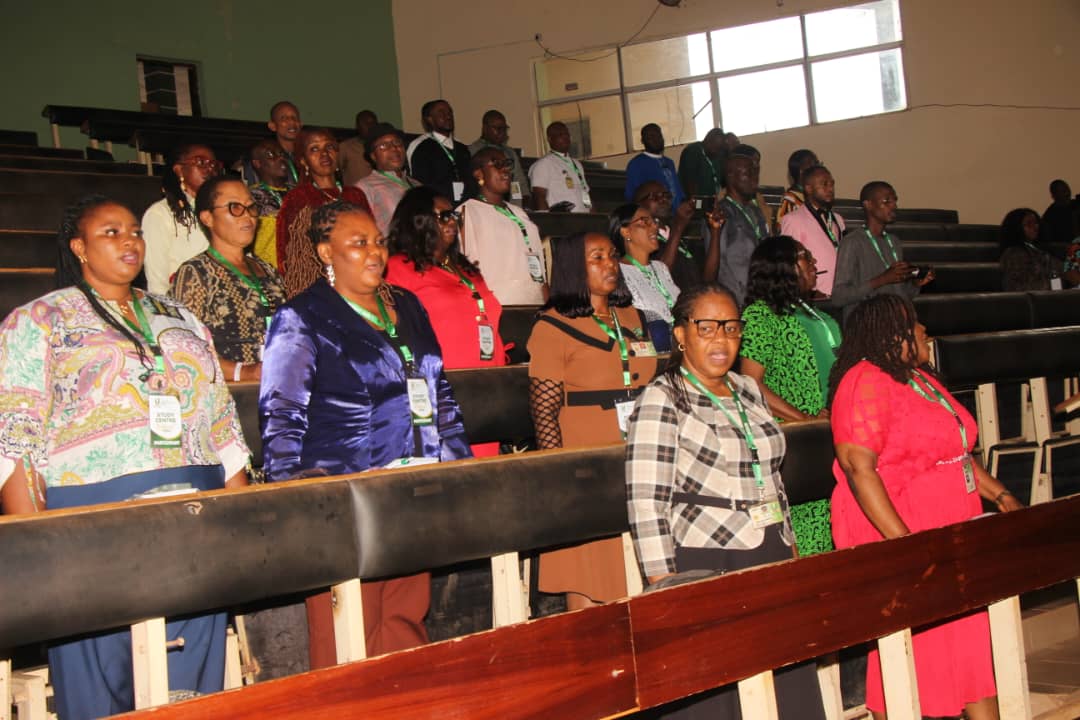
Describing the retreat as a “train-the-trainers” initiative, Uduma said it provided an opportunity to strengthen coordination among the various units and personnel whose responsibilities contribute to the effective administration and functioning of Study Centres.
Uduma, a Professor of Philosophy, stressed that strong Study Centres were essential to building a strong university, adding that their effectiveness could not be treated as peripheral to the university’s operations.
He urged participants to approach the retreat with open minds, share experiences, identify challenges and develop practical solutions that could improve service delivery.
Professor Uduma charged participants to translate university policies and plans into effective action at the Study Centre level through competent administration, accountability, professionalism, effective communication, appropriate use of technology, sound financial practices and responsive learner support.
The Vice-Chancellor commended the DLSS for organising the retreat and emphasised the need to sustain the initiative by ensuring that agreed actions were properly communicated and implemented.
Earlier, the Director of Learner Support Services, Professor Tessy Angba, charged Study Centres to collaborate, innovate and transform their operations to improve service delivery to learners.
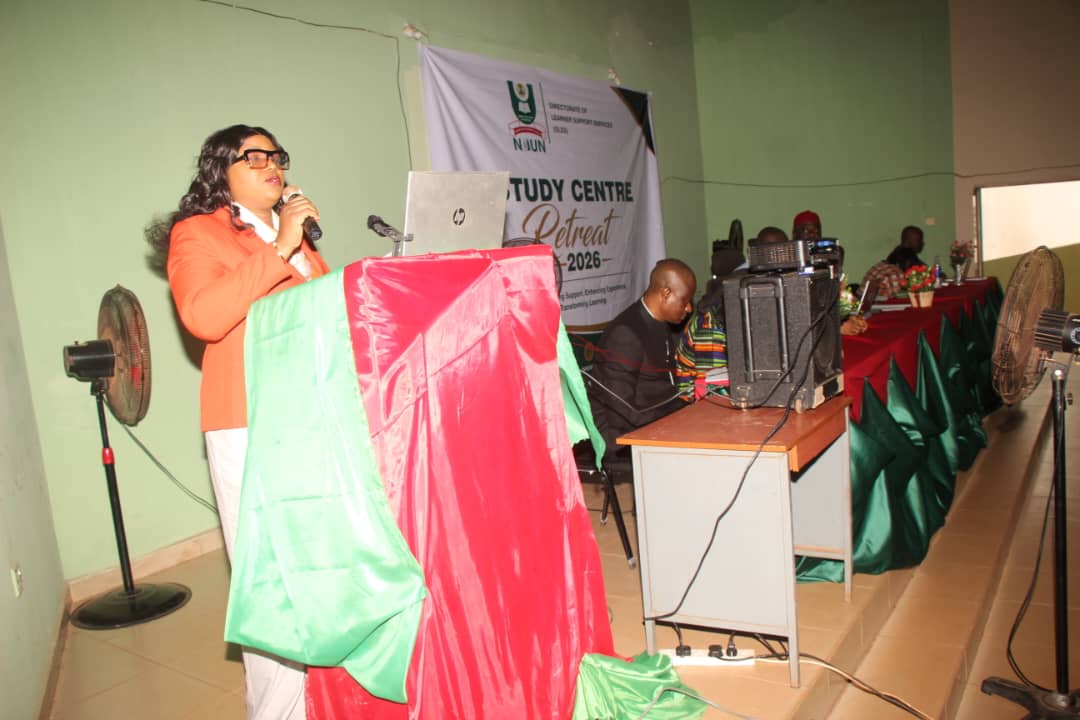
Prof. Angba highlighted the critical stages of the learner’s academic journey in which Study Centres play important roles, ranging from admission, course registration and payment of fees to the distribution of course materials, seminars, facilitation, counselling, matriculation and orientation.
She also identified teaching practices, practicum, laboratory practicals and the Students Industrial Work Experience Scheme (SIWES) as key areas in which Study Centres contribute to learner development and success.
The DLSS Director reiterated that all staff, regardless of their areas of responsibility, were integral to learner support services and shared a common responsibility for the success and satisfaction of learners.
Speaking on the importance of collaboration, Angba said Study Centres and units should share successful approaches and replicate practical solutions to common challenges where appropriate.
She noted that such knowledge-sharing would enable successful innovations at individual Study Centres to become institutional resources that could benefit the wider university.
Against the backdrop of the increasing number of Open and Distance Learning (ODL) institutions being licensed by the National Universities Commission (NUC), Professor Angba said NOUN must continually improve its systems and approaches to maintain its competitive advantage.
She described transformation as a situation where Study Centres become more responsive, organised and welcoming, with staff across all functions viewing themselves as partners in supporting learners.
The director, therefore, urged Study Centres to uphold established standards and prioritise the delivery of an excellent learner experience.
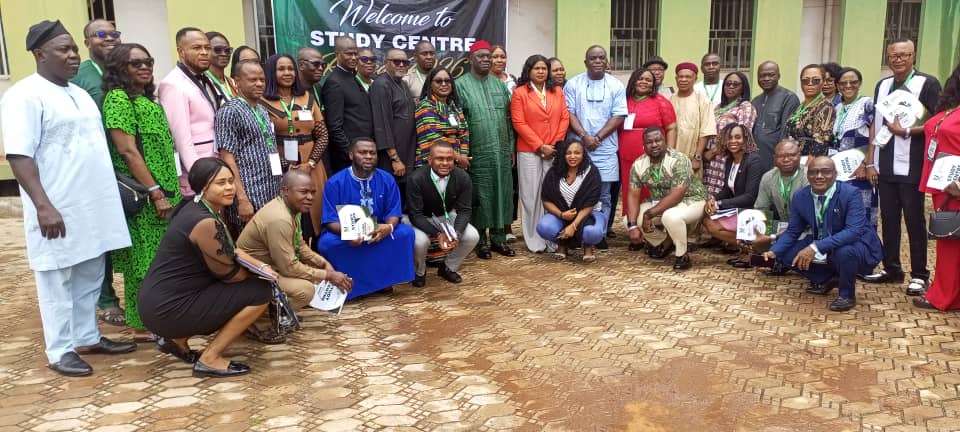
Dignitaries at the retreat included the Deputy Vice-Chancellor, Academic, Prof. Chiedu Mafiana; Deputy Vice-Chancellor, Technology, Innovation and Research, Prof. Christine Ofulue; Registrar, Mr Oladipo Ajayi; Bursar, Malam Nasiru Marafa; Director, Exams and Assessment, Prof. U. S. A. Osuji; and Director, Counselling and Career Development, Dr Sefinat Omuya.
Also in attendance was the Director of ICT, Dr. Francis Osang, as well as Directors of Study Centres, each accompanied by an Administrative Officer, Accountant, ICT Officer and Counsellor.
- Log in to post comments
- 27 views