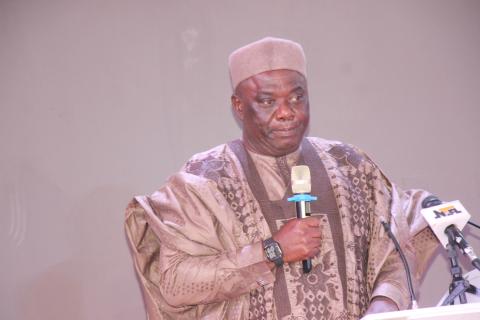
The Vice-Chancellor of the National Open University of Nigeria (NOUN), Prof. Uduma Oji Uduma, has challenged scholars, policymakers and development practitioners to rethink migration beyond the movement of people across borders and examine its implications for development, human security, identity and human dignity.
Uduma made the call on Tuesday, September 29, 2026, while declaring open a one-day workshop on Migration, Development and Human Security: Emerging Academic Perspectives, organised by the Centre of Excellence in Migration and Global Studies (CEM&GS) at the university's headquarters in Abuja.
Describing migration as one of the defining issues of contemporary society, the Vice-Chancellor said it now sits at the intersection of development, inequality, governance, employment, security, citizenship and human dignity.
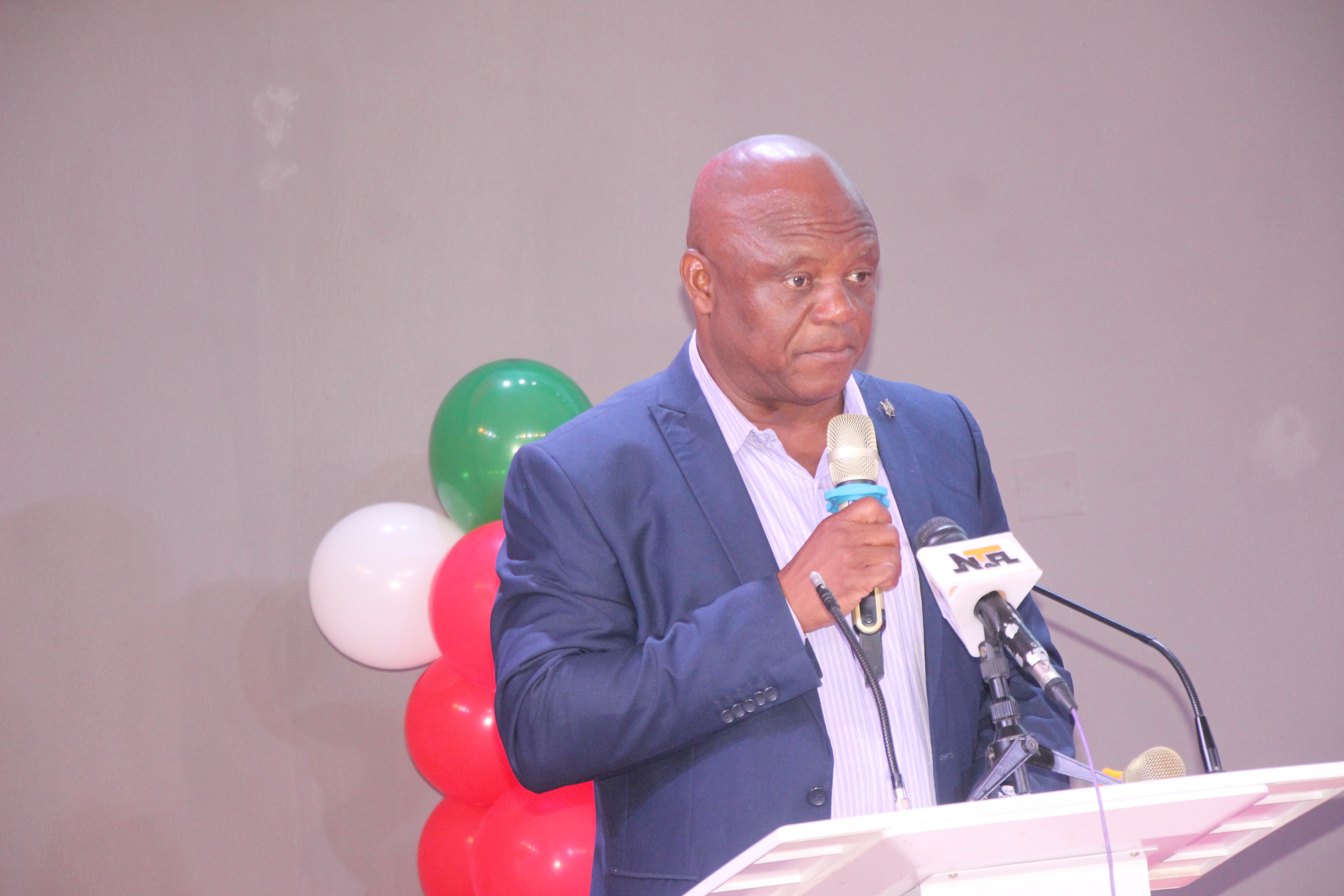
Reflecting on Nigeria's growing "Japa" phenomenon, he urged stakeholders to move beyond simplistic interpretations and interrogate the conditions that make many young people perceive greater possibilities outside the country.
According to him, when educated and ambitious citizens leave, societies lose not only people but also skills, knowledge, innovation and years of investment in human capital. He, however, noted that migration should not be viewed solely as a narrative of loss, as diaspora communities also contribute significantly through remittances, investments, knowledge transfer and international networks.
"The challenge is not simply to stop people from leaving. It is to create a society from which people can move by choice, to which they can return with dignity, and in which they can meaningfully remain," he said.
Uduma further stressed the need for migration governance that balances national interests with human dignity, warning against the tendency to scapegoat migrants for broader structural challenges.
He also called on African scholars to take a leading role in producing migration knowledge and theory, arguing that African experiences should not merely serve as case studies but as foundations for global scholarship.
The Vice-Chancellor noted that NOUN's Open and Distance Learning model reflects another form of mobility by taking knowledge to learners wherever they are, thereby expanding access to education and opportunity.
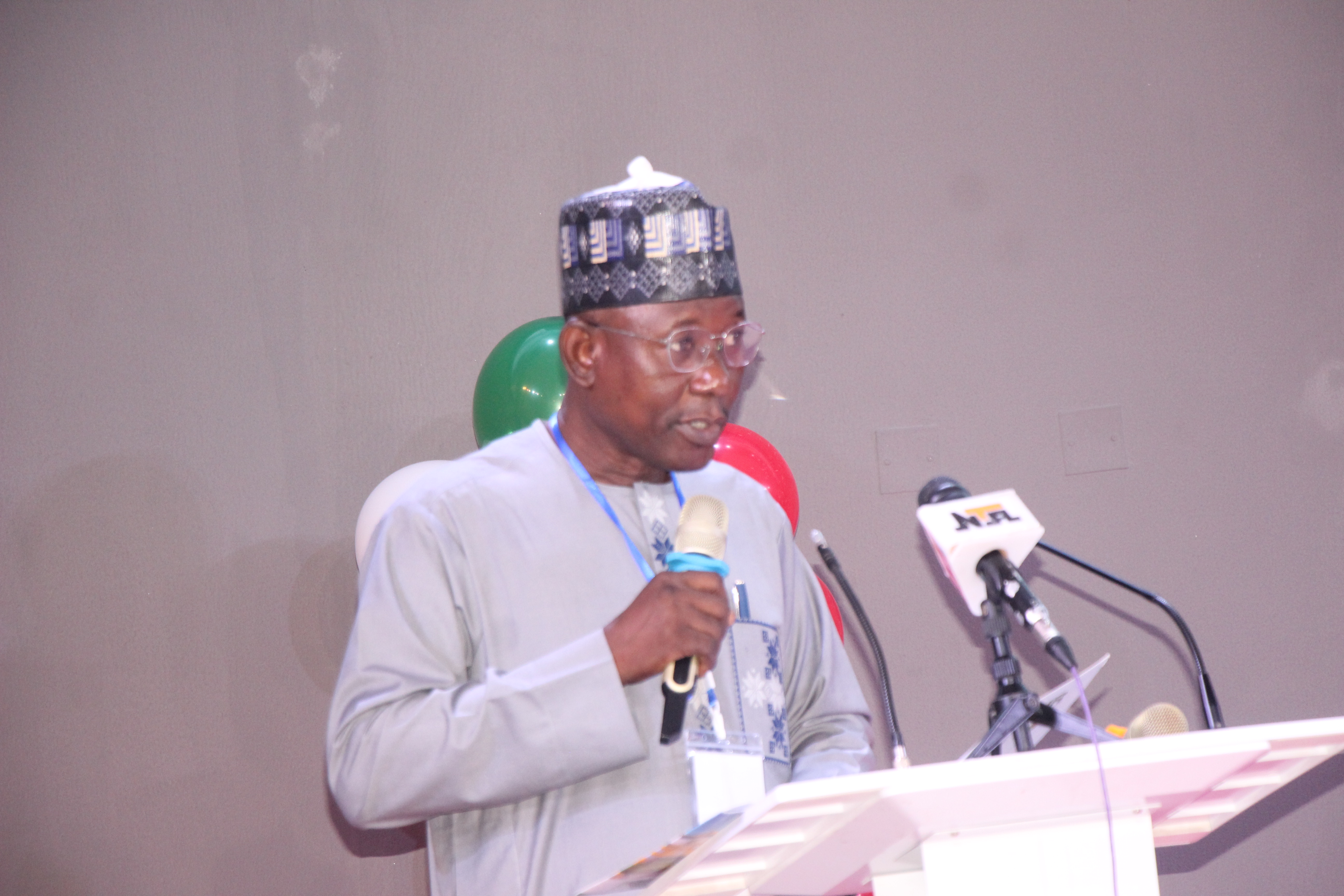
Chairman of the occasion, Rev. Fr. Chris Emeka Obiezu, underscored the importance of stronger collaboration among academia, civil society organisations and policymakers in addressing migration challenges. He described migration as increasingly linked to economic, social and security realities and stressed the need for evidence-based research to support effective governance and policy interventions.
Also speaking, the representative of the Executive Secretary of the Tertiary Education Trust Fund (TETFund), Mr. Suleiman Zangina, Acting Director, Research and Development Centres of Excellence, called for stronger links between research, policy and practice to improve migration governance in Nigeria.
He noted that addressing migration issues requires sustained collaboration among universities, government institutions, development partners and civil society organisations, adding that migration policies must be anchored on human security and respect for human dignity.
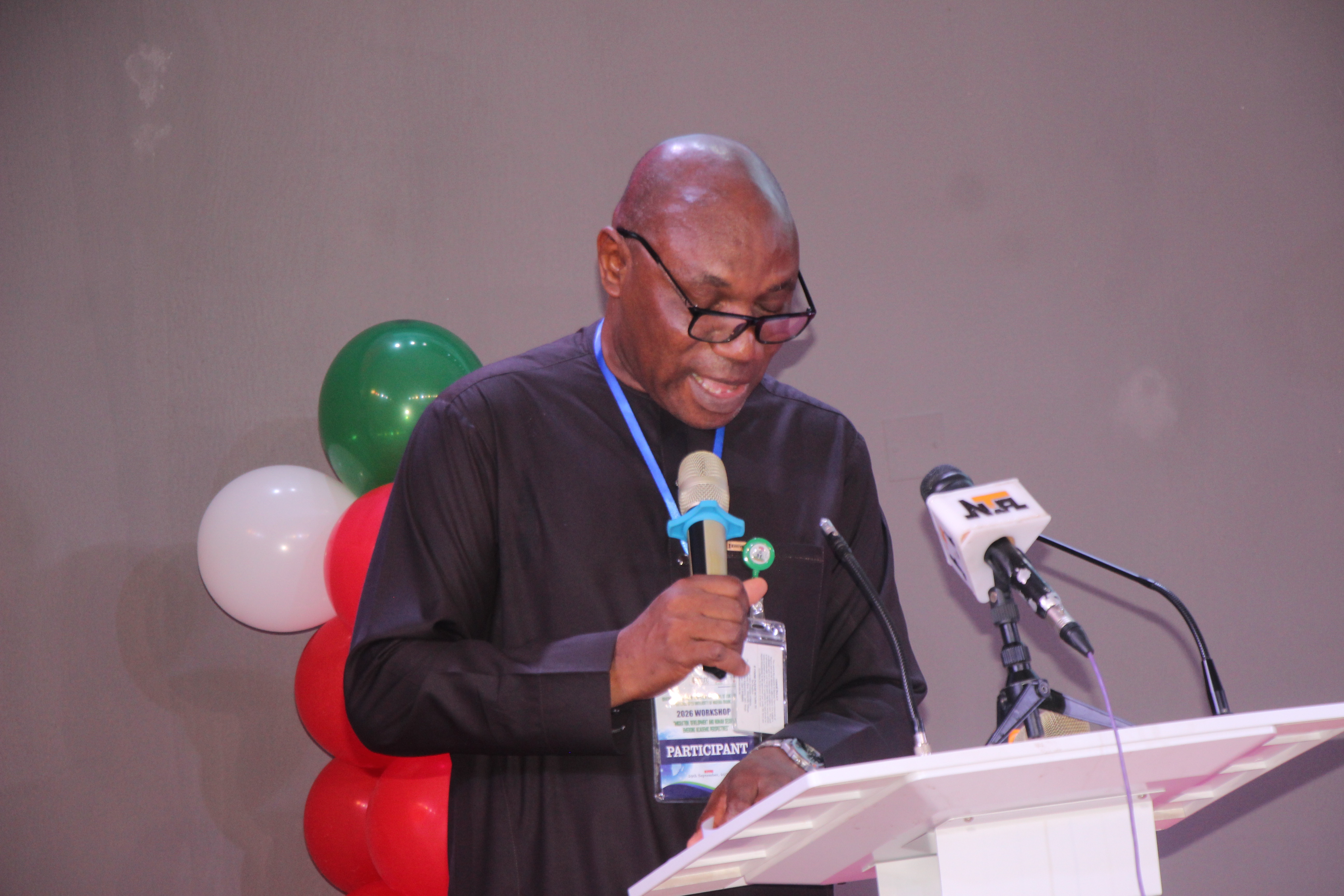
Earlier, Director of CEM&GS, Prof. Moses Etila Shaibu, said migration remains one of the most significant issues shaping contemporary societies, presenting both opportunities and challenges in areas such as development, labour mobility, displacement, trafficking and humanitarian protection.
Shaibu said the workshop was designed to deepen multidisciplinary engagement on migration governance, refugee protection, climate mobility, diaspora engagement and migration data.
He also announced that CEM&GS had secured full NUC Resource Verification for its Migration Studies programmes, including the Postgraduate Diploma, Professional Master's, M.Sc. and PhD, which are expected to commence in the 2026/2027 academic session, subject to the University's academic calendar and admission processes.
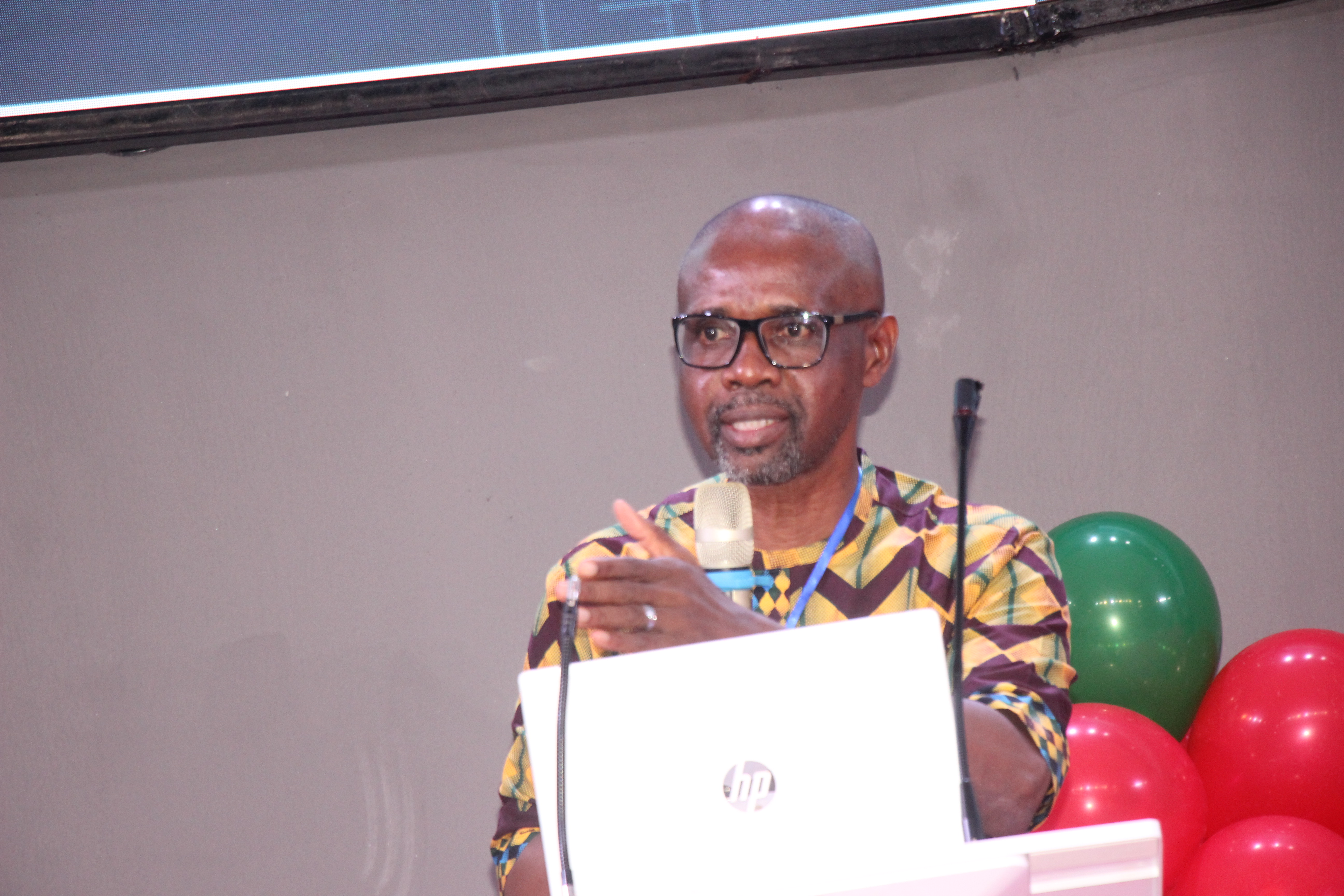
Delivering the keynote address, renowned migration scholar, Prof. Ike Odimegwu, urged academics, researchers and practitioners to deepen critical engagement with the complex relationship between migration, development and human security.
He said contemporary migration dynamics require innovative thinking, evidence-based research and cross-disciplinary collaboration capable of generating practical solutions to emerging migration challenges.
Odimegwu expressed confidence that the workshop would provide a platform for robust intellectual engagement and generate recommendations that would strengthen migration governance and advance human security and development.
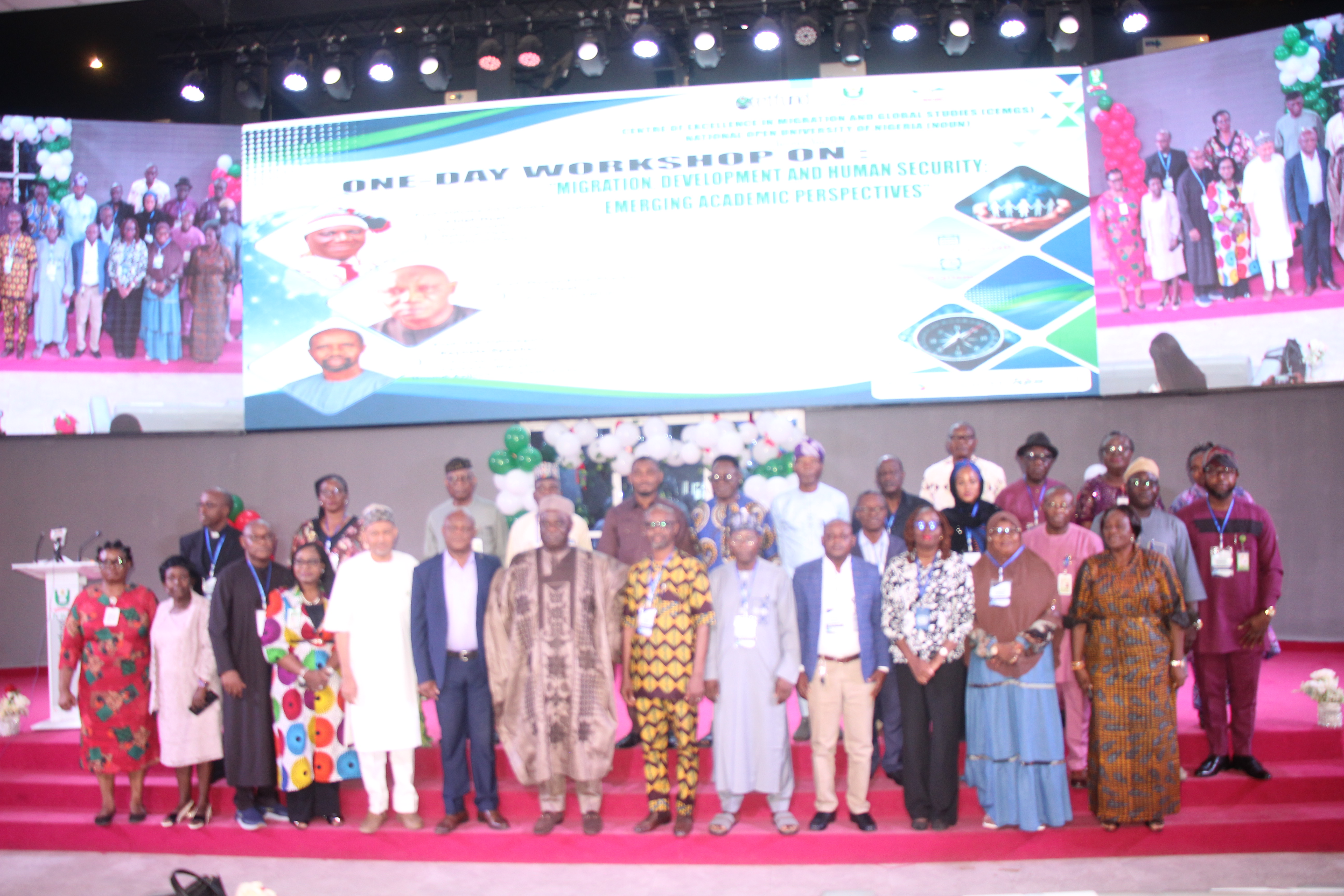
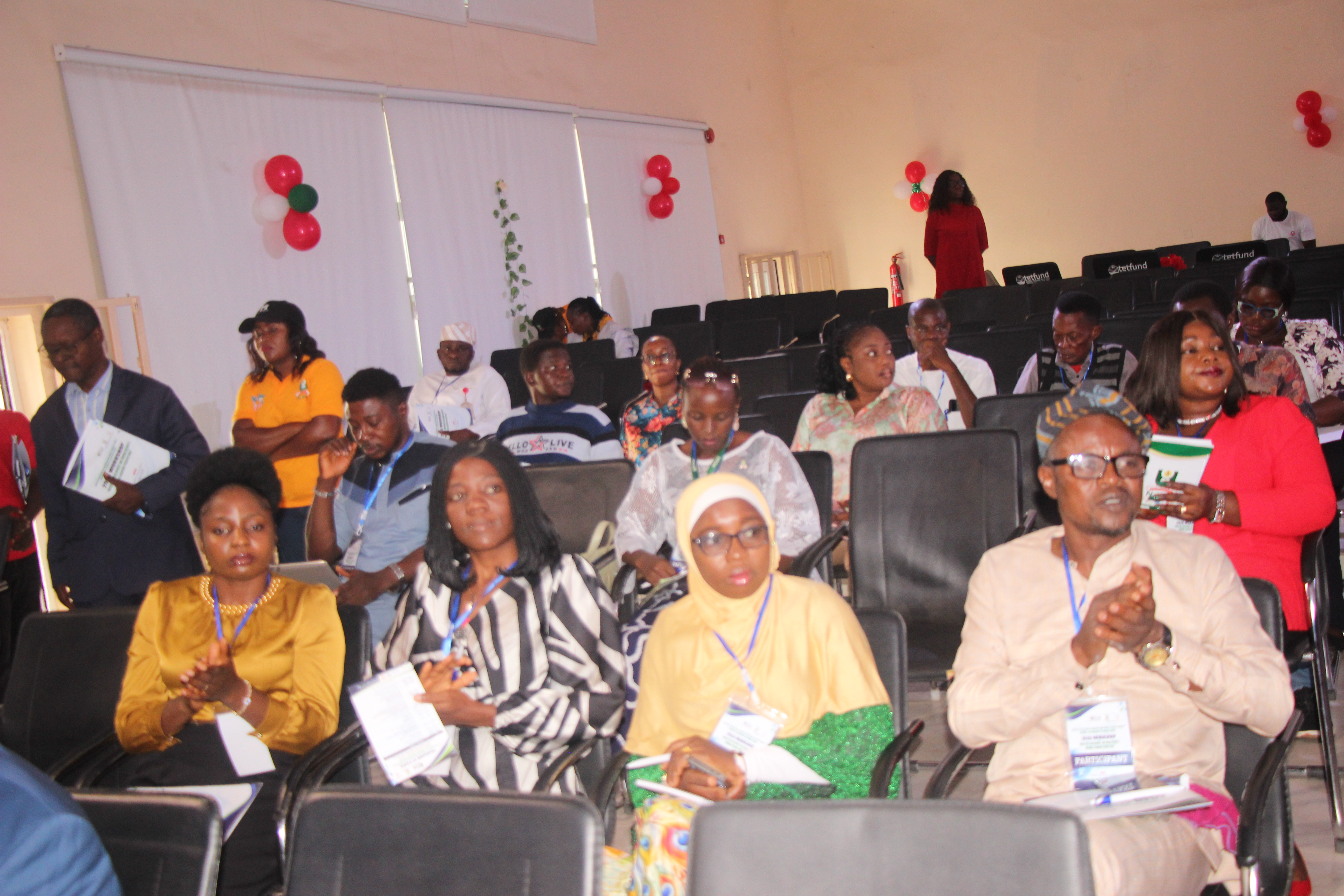
The workshop attracted academics, policymakers, development partners, civil society organisations and migration experts who explored emerging academic perspectives on migration and their implications for Nigeria, Africa and the wider global community.
It also featured a plenary session on Migration, Development and Human Security: Emerging Academic Perspectives, chaired by Prof. Ganiyat Uthman-Adesina, with Prof. Makanjuola Olayemisi Osagbem of the Federal University Lokoja, Rev. Fr. Dr. Augustine Akhoba of the Migration Research Unit, Catholic Secretariat of Nigeria, Abuja, and Prof. Fatai Aremu of the Research Enterprise System, Abuja, serving as discussants.
- Log in to post comments
- 43 views