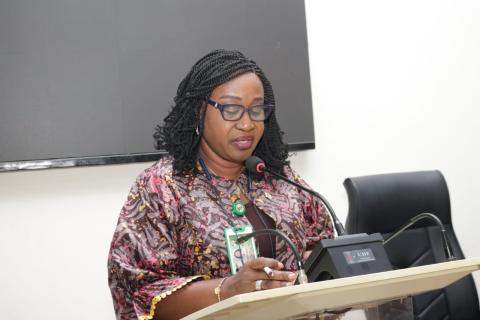
The Deputy Vice-Chancellor, Technology, Innovation and Research, National Open University of Nigeria (NOUN), Prof. Christine Ofulue, has applauded women’s collaboration and leadership in developing digital solutions to climate change.
She made the commendation at the opening of the 2026 Women-in-WACREN Workshop, which brought together women in science, technology, engineering and mathematics (STEM) from across Africa.
It was aimed at exploring innovative, technology-driven approaches to climate action.
The four-day workshop, themed “Empowering Women to Build Digital Solutions for Climate Action,” commenced on Monday, October 12, 2026 at NOUN headquarters in Jabi, Abuja, and is scheduled to end on Thursday, October 15.
While welcoming participants, Prof. Ofulue described the workshop as an opportunity to promote inclusive learning, celebrate women’s contributions and strengthen networks for sustained collaboration in tackling climate challenges.
“For us at NOUN, this gathering underscores the aspect of inclusive learning,” she said, adding that the workshop provides a valuable platform for women to exchange ideas and develop innovative responses to climate change.
Representing the Programme Coordinator of the Nigerian Research and Education Network (NgREN), Dr. Joshua Atah, Mr. Chinedu Otuya commended Women-in-WACREN and the West and Central African Research and Education Network (WACREN) for advancing women’s participation and leadership in STEM.
He noted that climate change required collaborative, innovative and technology-driven responses.
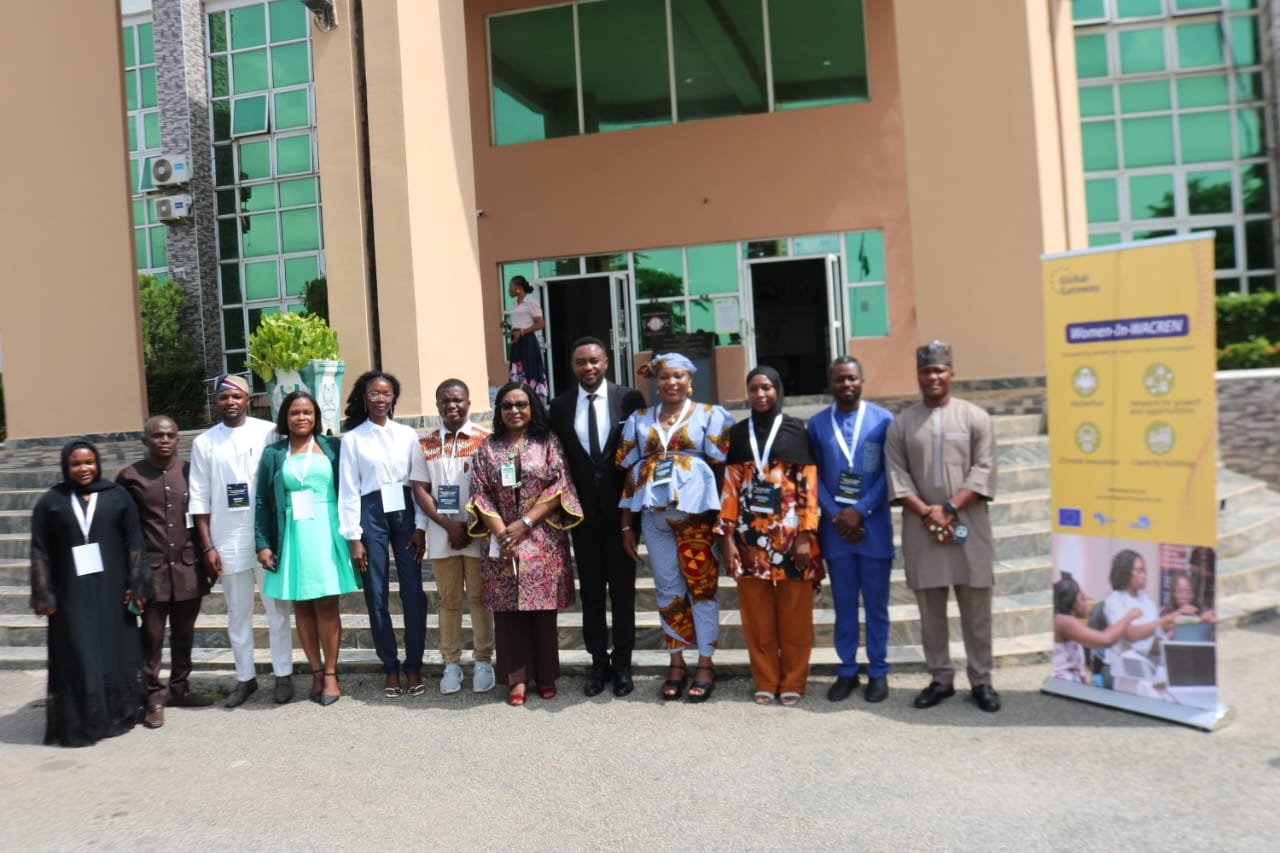
He expressed optimism that the workshop’s Innovation Lab would enable participants to translate ideas into practical solutions for climate adaptation, mitigation and resilience.
Otuya also appreciated NOUN for hosting the workshop and sustaining its partnership with NgREN as well as the National Universities Commission (NUC).
In a presentation on Africa’s climate-resilience challenges, Prof. Amos Kabo-Bah of Ghana highlighted opportunities for the continent to leverage existing knowledge and emerging technologies to address climate risks.
Similarly, Dr. Vivian Chinwe Nnamdi, in a presentation titled “From Problems to Solutions: Designing Practical, User-Centred Digital Solutions for Climate Resilience,” urged participants to develop solutions that respond to the needs of affected communities.
She highlighted potential applications such as digital flood-risk maps, early-warning systems and climate-information dashboards as practical tools for strengthening community resilience.
Coordinated by WACREN Project Manager, Ms. Abigail Essel, the workshop divided participants into six teams, each supported by mentors and facilitators.
The teams are expected to identify specific climate-resilience challenges, develop and demonstrate prototypes, and prepare six-month plans for further testing and development.
The initiative seeks to strengthen the capacity of women across West and Central Africa to harness digital innovation for climate action and contribute to building more resilient communities and institutions.
- Log in to post comments
- 63 views