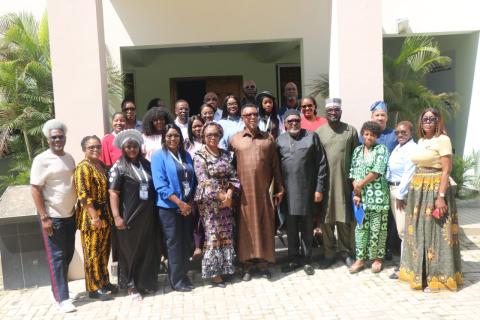
A 30-member Namibian delegation attending the 2026 World Public Relations Forum (WPRF) has visited the UNESCO Category 2 International Media and Information Literacy Institute (IMILI), hosted by the National Open University of Nigeria (NOUN), in Abuja, to explore areas of collaboration in media and information literacy, capacity building and the fight against misinformation and disinformation.
The visit, which took place on Friday, November 20, 2026, followed the WPRF 2026 held in Abuja. It provided an opportunity for Nigeria and Namibia to exchange ideas on strengthening public communication, promoting responsible information sharing and enhancing the professional capacity of media and public relations practitioners.
Nigeria's Minister of Information, Mohammed Idris, who was represented by the Director of Public Communication in the ministry, Mr. Henshaw Ogubike, commended the delegation for the visit and underscored the importance of media literacy in promoting responsible communication and national development.
He described misinformation and disinformation as major challenges to public trust, social stability and effective governance, stressing the need for government institutions and communication professionals to provide timely, accurate and verified information.
Ogubike said building an informed society required collective responsibility, noting that governments, media organisations, educational institutions and citizens must work together to promote information integrity.
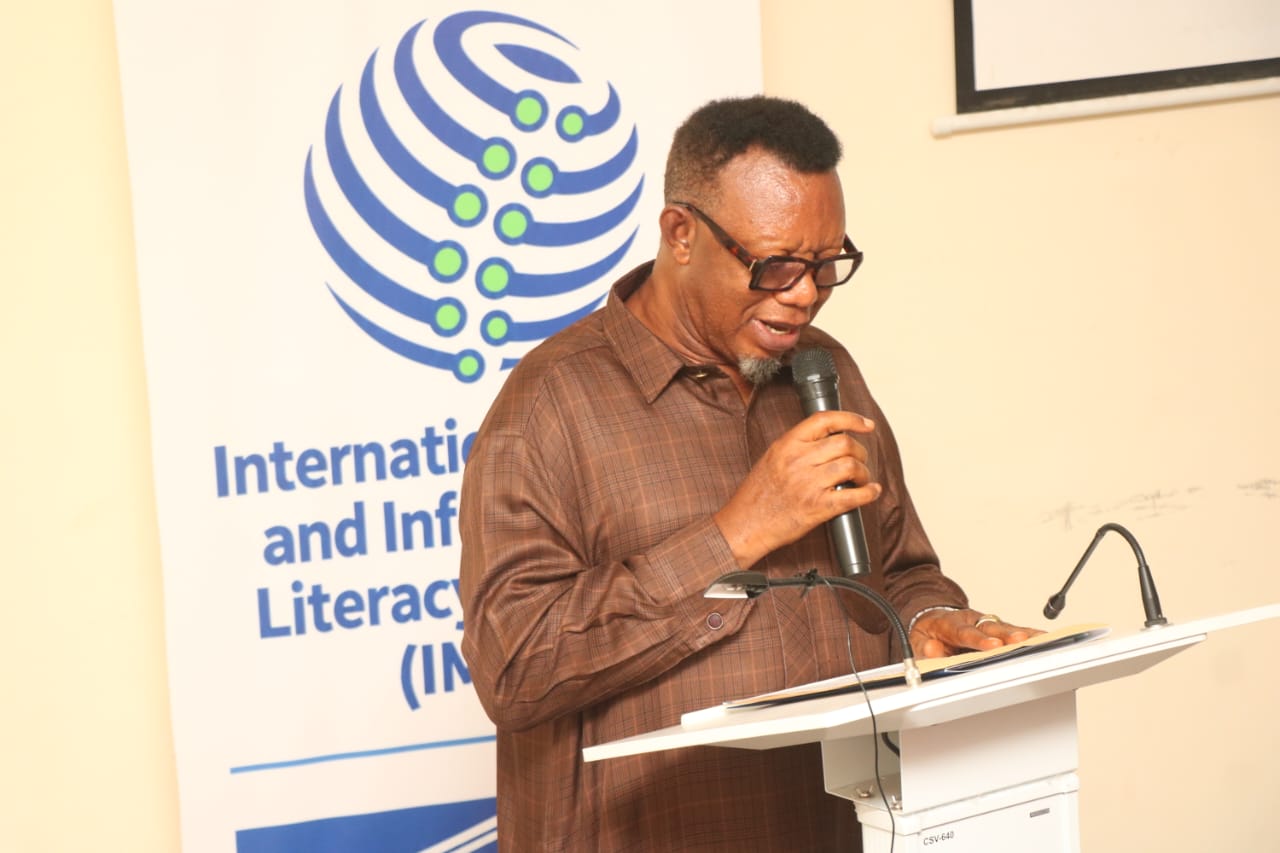
He reaffirmed the Ministry's support for initiatives aimed at strengthening public communication, improving media literacy and encouraging the responsible use of digital platforms.
Upon receiving the delegation, the Deputy Vice-Chancellor (Academic), Prof. Chiedu Mafiana, representing the Vice-Chancellor, Prof. Uduma Oji Uduma, described the visit as an important opportunity to deepen professional and institutional relations between the two countries.
He noted that in an era of rapid information dissemination across digital platforms, media and information literacy had become essential for individuals, institutions and governments.
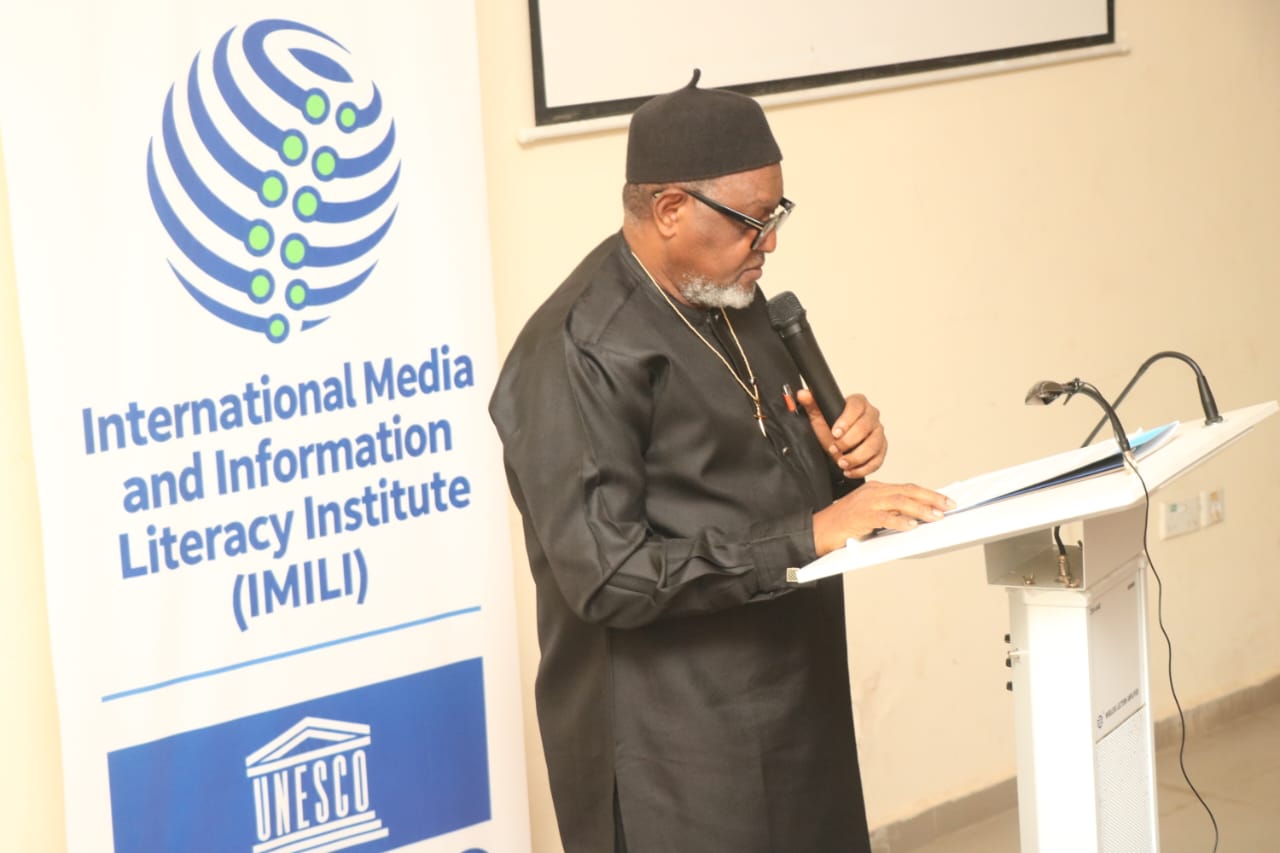
According to him, the ability to identify credible information, interrogate misleading content and communicate responsibly was critical to building an informed society.
He said NOUN, as an institution committed to expanding access to education, recognised the need to equip people with the knowledge and skills required to navigate the evolving information landscape.
Prof. Mafiana expressed optimism that the engagement would promote knowledge sharing, strengthen professional relationships and create opportunities for future collaboration between Nigerian and Namibian institutions.
In her remarks, the Director of IMILI, Dr Sharon Omotoso, welcomed the delegation and provided an
overview of the Institute's mandate, activities and contributions to advancing media and information
literacy.
She explained that IMILI, as a UNESCO Category 2 Institute hosted by NOUN, serves as a centre for
research, training, advocacy and policy development in media and information literacy.
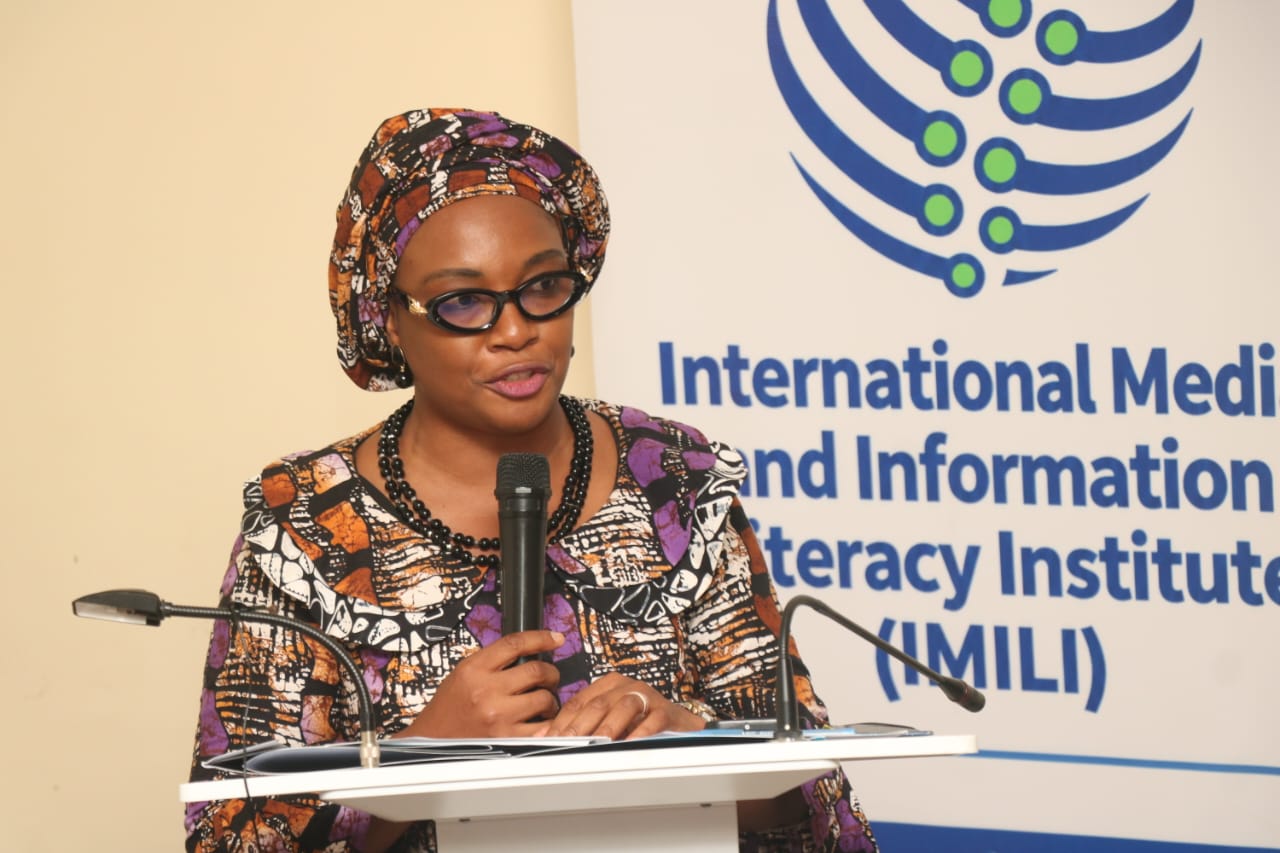
Dr Omotoso highlighted the importance of empowering individuals to access, evaluate, understand and
responsibly use information, particularly in an era where artificial intelligence, social media and other
digital technologies are changing how information is created and consumed.
She noted that the fight against misinformation and disinformation cannot be left to journalists and
government institutions alone, as everyone has a role to play in ensuring that information shared across
platforms is credible and responsible.
The IMILI Director encouraged the Namibian delegation to see the visit as the beginning of a broader
relationship that could support joint research, professional training, policy development and the
exchange of best practices between both countries.
Earlier, the Head of New Media (NOUN), Mr. Ambrose Gowong, who delivered the welcome address on behalf of the Director of Media and Publicity, Mrs. Omotola Ojudu, appreciated the delegation for choosing NOUN and IMILI as part of its post-WPRF engagements.
He observed that the growth of digital media had significantly transformed public relations practice, making continuous professional development and adaptation to emerging communication challenges imperative.
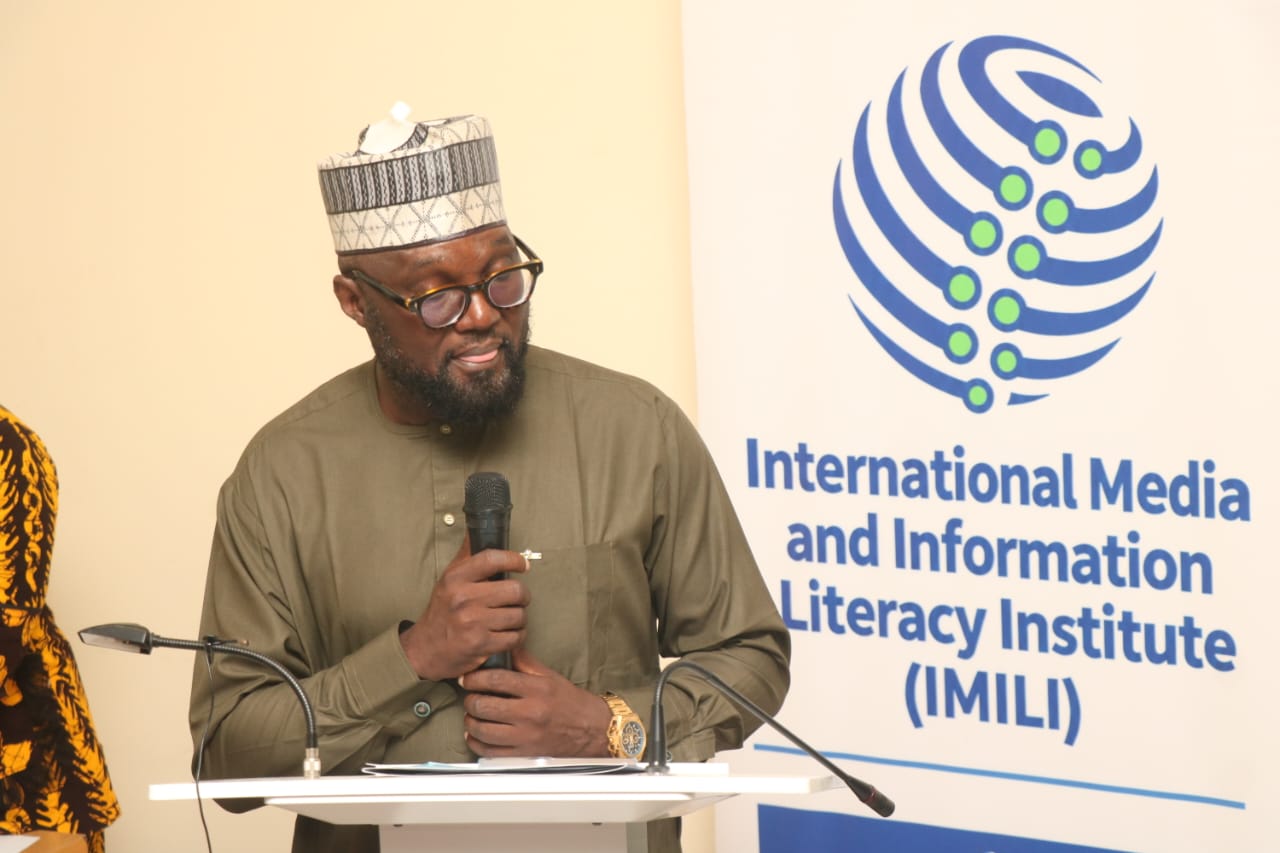
He stressed that beyond disseminating information, public relations practitioners had a responsibility to ensure that their communication was accurate, credible and capable of building public trust.
Gowong urged the participants to take full advantage of the engagement by sharing experiences, learning from one another and exploring practical approaches to tackling misinformation and disinformation.
The Namibian delegation was led by Mrs Elizabeth Amagola, Acting Director of Government Information Services at Namibia's Ministry of Information and Communication Technology (MICT).
Speaking on behalf of the delegation, Mrs Amagola expressed appreciation to NOUN, IMILI and the Federal Ministry of Information and National Orientation for the warm reception.
She explained that the delegation comprised public relations officers and communication practitioners drawn from various Namibian ministries, agencies, councils and local authorities.
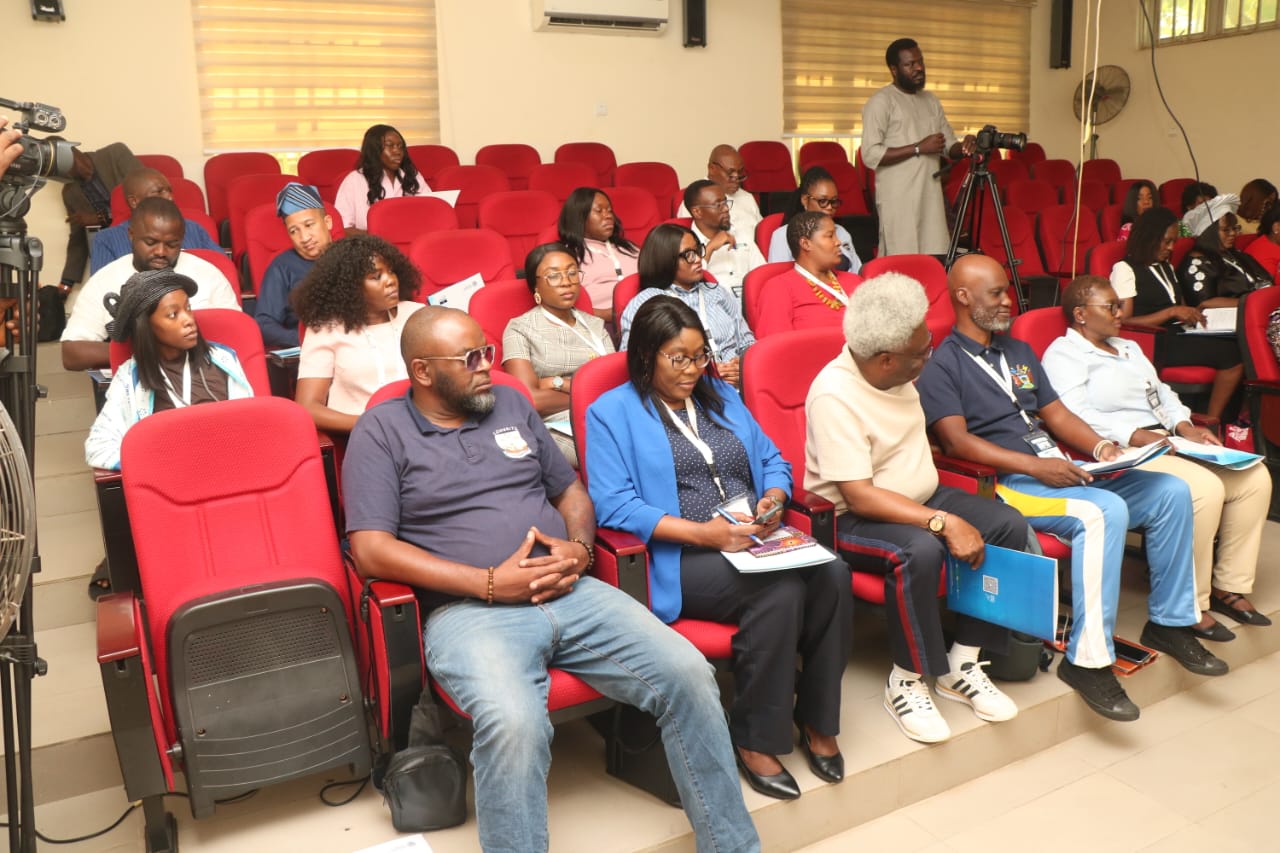
According to her, the participants were keen to learn from Nigeria's experience and explore practical approaches to strengthening media and information literacy in Namibia.
She noted that government communicators were increasingly confronted with the challenges of managing information in a rapidly evolving digital environment, where false narratives could spread quickly and undermine public confidence in institutions.
Amagola emphasised the need for continuous training, professional development and stronger institutional cooperation to equip public information officers with the skills required to address these challenges
The engagement also featured an interactive question-and-answer session, during which the delegation
sought clarification on the Institute's programmes, operations, training opportunities and possible areas
of collaboration, to which Dr Omotoso responded and provided further insights into IMILI's
works.
The visit ended with a guided tour of the IMILI facility, where the delegation was introduced to the
Institute's working environment and equipment.
- Log in to post comments
- 42 views